
In the vast tapestry of visual storytelling, time-lapse videos have emerged as an enchanting medium that encapsulates the dynamic essence of agriculture crop growth.
Beyond being a mere chronicle of farming endeavors, these videos serve as a testament to the intricate dance between nature and cultivation, offering a unique perspective on the cyclical beauty of life.
This article will talk about the comprehensive art of creating agriculture crops growing time-lapse videos, coupled with professional editing tips that can elevate the visual narrative to new heights.
What Is an Agriculture Crop Growing Time-Lapse Video?
An Agriculture Crops Growing Time-Lapse Video is a visual representation that condenses the entire growth cycle of crops into a dynamic sequence of photographs or video frames.
This technique involves capturing still images or video clips at regular intervals, such as hours or days, and then playing them back at an accelerated speed.
The result is a captivating portrayal of the complete process of plant growth, from seed germination to maturity and, potentially, through to the harvest stage.
Key components of an Agriculture Crops Growing Time-Lapse Video include:
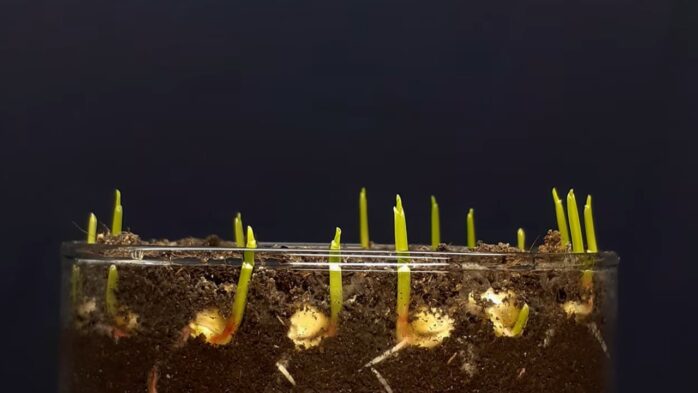
Seed Germination: The video typically commences with the planting of seeds in the soil. Viewers can observe the emergence of seedlings as they break through the soil surface.
Vegetative Growth: As the plants develop, the time-lapse documents the growth of leaves, stems, and branches, highlighting the rapid expansion of the plant’s structure.
Flowering: For crops that produce flowers, the time-lapse captures the transition from vegetative growth to the flowering stage—a crucial phase in the life cycle of many crops.
Fruit Development: If applicable, the video showcases the formation and growth of fruits or grains, particularly significant for crops cultivated for their fruits or seeds.
Maturity and Harvesting: The final stages of the time-lapse depict the maturation of the crops and, where relevant, the harvesting process. This can vary depending on the specific crop being featured.
The purpose of creating such time-lapse videos is often to offer a visually engaging and informative overview of the agricultural process. These videos serve educational purposes, showcasing the intricate aspects of plant growth, or can be utilized for promotional content within agriculture-related industries.
Additionally, they serve as valuable tools for researchers and farmers, aiding in the analysis and understanding of crop growth patterns under diverse conditions.
How to Make Agriculture Crops Growing Time-Lapse Videos: Top 6 Pro Editing Tips
1. Select the Right Equipment
To embark on the journey of crafting captivating time-lapse videos, one must first equip themselves with the right tools. A sturdy tripod serves as the foundation, providing stability to the camera throughout the extended capture period.
Opting for a high-quality camera with manual settings and an intervalometer is essential to exert precise control over exposure and capture frequency. Choosing a location with consistent lighting conditions is equally crucial to maintaining visual continuity throughout the time-lapse sequence.
2. Determining the Interval
The heartbeat of any time-lapse video lies in the interval between each frame. For agriculture time-lapses, where the canvas is the vast expanse of crop fields, longer intervals ranging from 5 to 15 minutes are often preferred.
This allows for the gradual and nuanced capture of the crops’ growth, showcasing the transformative journey over an extended period. However, the optimal interval may vary based on the specific growth patterns of the crops, necessitating experimentation to strike the perfect balance.
3. Consistent Framing and Composition
The visual coherence of a time-lapse video hinges on maintaining consistent framing and composition. Begin by carefully framing the initial shot, ensuring that the entire growth process unfolds seamlessly within the frame.
Paying attention to leading lines and employing framing techniques can guide the viewer’s eye to the focal points of the crops, creating a visually engaging experience.
4. Lighting Considerations
Natural lighting serves as the true artist in agriculture time-lapse videos, imparting authenticity to the visual narrative. Monitoring the sun’s position and being attuned to changing weather conditions is imperative.
Soft, diffused light is often favored, steering clear of harsh shadows that may disrupt the visual flow. The interplay between light and crops can be a poetic dance, and capturing it in a time-lapse adds an extra layer of beauty.
5. Post-Processing and Editing Tips
Stabilization: In the post-processing phase, utilize software to stabilize the time-lapse sequence. This step is crucial in eliminating any unintended camera movements that may detract from the overall visual experience.
Smooth Transitions: Seamless transitions between frames contribute to a polished and professional look. Gradual crossfades, coupled with meticulous timing, help create a fluid narrative that keeps the viewer immersed in the unfolding story.
Music and Narration: Elevate the emotional impact by considering the addition of a fitting soundtrack or narration. Music can evoke emotions, and a well-crafted narration provides context to the agricultural narrative, transforming the video into a storytelling masterpiece.
6. Get Yourself Adobe
Do you want to give it a go with a tool that performs at a top speed, delivers high quality, and is used by people all over the globe? Adobe Express is available in a free, premium, as well as team version, and is an affordable tool worth considering and getting.
Your imagination is your only limitation with generative AI tools like Generative Fill, Text to Image, and Text to Template (beta), all powered by Adobe Firefly. You type it. Adobe Express generates it.
With it, you will easily approach and edit social media content, videos, photos, and documents, and you will also the art of marketing. If you’re ready for something that truly works, this is a top pick.
Conclusion
In the realm of agriculture time-lapse videos, the convergence of technical precision and creative finesse results in visual stories that resonate deeply with viewers. By carefully selecting equipment, mastering interval techniques, and incorporating professional editing tips, one can encapsulate the essence of growth in a mesmerizing and insightful manner.
Through the lens of a well-crafted time-lapse, viewers are invited to witness the transformative journey of crops, fostering a profound connection with the captivating cycles of life. So, who’s ready to enjoy their new experiment?
Over the past few years, there has been a significant increase in the popularity of hemp-derived products for their potential health benefits and versatility.
From CBD oil to clothing and construction materials, hemp is being used in a range of industries and applications. With its recent legalization in many countries, including the United States, hemp is taking the world by storm.
The Growing Influence of Hemp in Health and Wellness
The health and wellness industry is seeing a remarkable shift with the introduction of hemp-derived products, particularly cannabidiol (CBD). These products are becoming popular for their purported therapeutic benefits, serving as natural alternatives to traditional pharmaceuticals.
The Impact of CBD on Human Health
Extracted from hemp, CBD oil is a non-psychoactive compound that has the potential to confer a multitude of health benefits. Studies suggest that CBD may have the ability to manage a wide range of symptoms related to various conditions. It’s believed to ease anxiety and depression, improve sleep quality, and alleviate chronic pain, providing a natural approach to well-being.
This interaction happens as CBD engages with the body’s endocannabinoid system (ECS). The ECS is responsible for maintaining bodily homeostasis, influencing functions such as mood, sleep, and pain response. By influencing the ECS, CBD can potentially enhance bodily balance and overall wellness.
CBD’s versatility in administration is a major advantage. You can choose from a variety of formats depending on your preference and the nature of your symptoms. These include oils and tinctures for sublingual use, capsules for oral administration, edibles like gummies for easy ingestion, and topical creams for direct application on the skin.
Revolutionizing Pet Care with CBD Oil for Dogs and Cats
The influence of hemp-derived CBD is not limited to human wellness. It’s revolutionizing the pet care industry as well. An increasing number of pet owners are utilizing CBD oil for pets, such as the specialized oil produced by RoyalCBD, hoping to manage various health issues in their pets, from anxiety and pain to inflammation and even seizures.
Like humans, dogs and cats also possess an endocannabinoid system, making them receptive to the potential therapeutic effects of CBD.
However, it’s imperative to note that not all CBD products suitable for human consumption are safe for pets. Pet-specific CBD products are specially formulated keeping in mind the unique physiological needs of pets.
Consulting with a veterinarian is essential before introducing CBD into your pet’s routine. This ensures appropriate dosage and safe administration and can help monitor any potential side effects.
Ultimately, the goal is to enhance the health and well-being of our beloved furry companions in the safest manner possible.
Hemp’s Role in Eco-Friendly and Sustainable Housing
The versatility of hemp isn’t just confined to health and wellness. It is also making considerable inroads into the construction industry, providing a more sustainable and eco-friendly approach to housing.
Hemp-based construction materials are proving to be a game-changer in creating green, energy-efficient homes.
The Emergence of Hempcrete
Hempcrete, a composite material made from the woody inner core of the hemp plant combined with a lime binder, is a revolutionary and sustainable alternative to traditional building materials like concrete. Its unique properties make it a standout choice in the realm of eco-friendly construction.
One of the most compelling features of hempcrete is its superior insulation properties. It effectively regulates indoor temperature, reducing the need for artificial heating or cooling. This, in turn, cuts down energy consumption, leading to lower energy bills and less strain on the environment.
Perhaps the most remarkable aspect of hempcrete is its carbon-negative nature. During its growth, the hemp plant absorbs carbon dioxide (CO2) from the atmosphere. Additionally, as hempcrete cures, it continues to sequester CO2, effectively locking it away. This means that hempcrete absorbs more CO2 during its lifecycle than it emits, making it a powerful tool in the fight against climate change.
The Advantages of Hemp Insulation
The utility of hemp in construction doesn’t end with hempcrete. Another noteworthy use of this versatile plant is in the production of hemp fiber insulation. A more natural alternative to conventional insulation materials, hemp insulation offers several advantages that contribute to its rising popularity.
Hemp insulation is breathable, which aids in maintaining good indoor air quality. It’s also non-toxic, making it a safer option for households. It naturally resists mold and pests, reducing the need for potentially harmful chemical treatments.
When it comes to thermal performance, hemp insulation doesn’t disappoint. It effectively retains heat during colder months and keeps the house cool during the summer, optimizing indoor comfort while minimizing energy use.
Both hempcrete and hemp insulation stand as a testament to hemp’s potential in building sustainable and energy-efficient homes, further proving how hemp-derived products are indeed taking the world by storm.
Endnote
The versatility and potential benefits of hemp-derived products have led to a surge in their popularity across a range of industries. With its recent legalization and growing acceptance, the hemp industry is poised for significant growth and innovation in the coming years.
However, there are still challenges and controversies surrounding the industry, including regulation and quality control.
As we continue to explore the uses and benefits of hemp, it’s important to approach the industry with a critical eye and prioritize responsible and sustainable practices. By doing so, we can harness the full potential of this versatile plant and create a brighter future for ourselves and our planet.
IoT has been transforming various aspects of life, and therefore, it is called the next industrial revolution. This revolution is expected to modify the practices that are carried out manually across all industries. Agriculture is one of such industries that has been already affected and is yet to transform in all shapes due to the onset of technological advancement.
In this article, we will discuss how technology is driving change in the agriculture industry and understand if this will bode well for agriculture and people depending on it.
Smart Farming
Smart farming is relatively a new term that is described as the incorporation of smart tools and technology to optimize and automate the routine farming process. Some examples of agriculture IoT include agricultural management platforms, supply chain inventory management solutions, GPS services, micro-farming solutions, and agricultural monitoring services.
Before deep diving into details, let’s glance at a quick fact.
The Global Market Size of Smart Agriculture will grow from 12.4 billion USD to 34.1 billion USD by 2026
According to research, more and more agriculture industries are incorporating sophisticated technology and high-end mechanics to improve their productivity and efficiency. As a result, the market value of smart agriculture is expected to touch almost double the 2020s market value by 2026.
Therefore, it has become imperative for businesses to invest in high-end technology and the internet that makes wonders. FYI, Spectrum is one of the best internet service providers that not only offers lightning-speed internet but unlimited data, enabling you to never fall short of Mbs.
Thanks to technology, modern agricultural operations work differently from what they used to be back then. Farmers use robots, aerial images, and temperature and moisture sensors that help them increase profits, efficiency, and safety, and make practices more environment-friendly.
Here are some of the top benefits of deploying technology and using cutting-edge technology in various aspects of agriculture.
Quick Scaling
Technology has to be credited for the way it has helped farmers to make correct assessments about the climate and weather conditions to choose the right crops instead of wasting their time, effort, and land in experimentation.
The environment and land sensors deployed in the agricultural land collect information and send it to the cloud that can be accessed through an application to analyze the matrix and the ground realities that might not be prevalent.
By automating different processes of farming, such as irrigation, fertilization, and pest control, farmers can boost their productivity and can also maintain accuracy in supplying the right amount of water, pest disinfectant, etc.
As a consequence, the usage of the technology enables farming businesses to scale the parameters of farming on a regular basis and obtain correct, accurate, and useful insights into it.
Control Management & Risk Management
By using IoT backed with advanced AI technology, farming industries can get control over internal processes. They can use the information derived from tools to get a clear view of the prospected yields. For example, AI tools can predict the cultivation ahead of time, which gives farming businesses information about the outcomes at preliminary stages.
In this way, they can plan and get themselves ready well in advance to combat any risks and crises that are most likely to happen. This attribute is of great value for businesses to avoid losses that otherwise come as a surprise.
Better Quality
Sure, IoT enables businesses to keep control of internal processes and help with risk management, but it also helps with high standards pertaining to growth value and quality.
With an accurate and stringent focus on cultivation and distribution, industries can produce products that meet the highest standards. As a result, farmers can expect better ROI (return on Investment).
Cost Management
Controlled production leads to less wastage, allowing farming industries to manage their costs effectively. Getting accurate insights about the different stages of production can help you keep a tap on the quality and quantity of production, enabling you to minimize the risk factor and waste production.
Future Perspectives and Emerging Trends in IoT and Agriculture
The intersection of IoT and agriculture holds immense potential for shaping the future of farming practices and revolutionizing the industry as a whole. As technology continues to advance, several emerging trends are shaping the future of IoT in agriculture.
One of the key trends is the integration of AI and machine learning algorithms with IoT devices. By leveraging the power of artificial intelligence, farmers can extract valuable insights from the vast amounts of data collected by IoT sensors.
This enables them to make data-driven decisions in real time, optimize resource allocation, and improve overall productivity. AI-powered systems can analyze weather patterns, soil conditions, and crop health, providing actionable recommendations for precision farming.
Another significant trend is the adoption of autonomous farming systems. Self-driving tractors and drones equipped with IoT sensors can perform tasks such as planting, spraying, and monitoring crops with minimal human intervention.
These autonomous systems can operate round the clock, increasing efficiency and reducing labor costs. They can also gather detailed information about soil conditions, water levels, and crop growth, enabling farmers to take proactive measures and prevent potential issues.
The emergence of blockchain technology in agriculture is also worth noting. By leveraging distributed ledgers, IoT devices, and smart contracts, blockchain can enhance traceability and transparency in the supply chain.
It can securely record and verify every transaction and movement of agricultural products, from farm to fork. This can help build trust among consumers, reduce food fraud, and ensure the authenticity and quality of agricultural products.
Furthermore, the development of low-power IoT sensors and devices is facilitating the expansion of IoT in remote and resource-constrained areas. These devices can operate on limited battery power, making them suitable for monitoring soil moisture, temperature, and other parameters in areas without reliable electricity supply.
This enables farmers in underserved regions to access real-time data and make informed decisions, leading to improved productivity and sustainability.
Bottom Line
The adoption of IoT is significantly increasing across the agriculture sector, and rightly so. The future lies in technology and the time is not too far away when all processes of agriculture will be automated.
Don’t we all love a lush, green garden with vibrant flowers adorning the front yard with a fragrance so enchanting that it reminds you of a distant wonderland?
Exactly. Not only does a vibrant garden provide a fantastical landscape, but it may also be a passion for some people.
And if you are one of them, we know you would want your plants to grow as healthily as they can. For that, of course, you need efficient fertilizers.
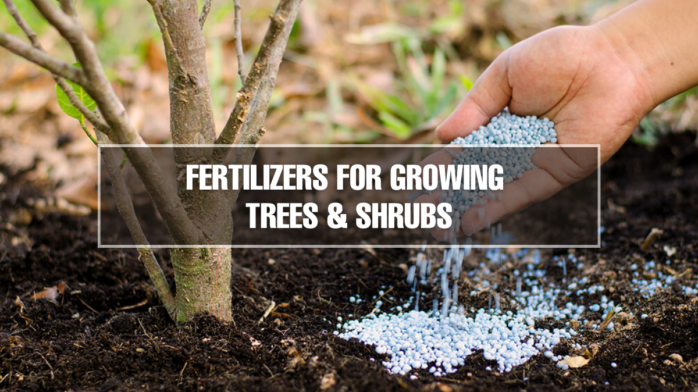
Best Fertilizers for Growing Trees and Shrubs – Top Picks
1. Miracle-Gro Tree & Shrub Plant Food Spikes
These spikes are user-friendly, very straightforward in terms of usage. They can be used to fertilize twice a year in different spring seasons and then again in the fall. All you need to do is create a drip line across the shrubs or hammer the product into the ground.
This fertilizer is a slow-release, meaning that it releases all the beneficial nutrients steadily down the plant’s root area. This helps in the development as well as the flowering of the plant without filtration into the soil.
Deciduous trees, as well as shrubs, hugely benefit from this fertilizer. As a consistent user, you will start noticing lush, green, nutritious leaves on the plants.
However, it is essential to read and abide by the instruction manual on the pack. Many are reported to have harmed their plants and even destroyed them for not being vigilant enough.
These tree and shrub spikes come in packs of 12 and are highly affordable, providing you monetary convenience. Formulations for citrus and fruits are also available in the market.
Features:
High nitrogen content for solid growth
Loaded with potassium for sturdy growth and fruiting
One of the most well-known brands in the fertilizer industry, Scotts has earned its name for providing quality products for evergreen, deciduous trees and shrubs. The abovementioned fertilizer also caters to flowers.
It comes with a Nitrogen-Phosphorus-Potassium ratio of 11-7-7. The NPK level is slightly below the percentage of other fertilizers. It is a granular fertilizer. Essentially meant for acid-loving plants, this fertilizer has a slow and steady release of nitrogen along with 2% sulfur.
This ratio increases the acidity of the solution. In this way, it becomes an excellent match for plans that cannot absorb essential nutrients when the soil’s pH level reaches beyond 5.5.
You must apply the fertilizer away from the tree trunk (around 8 to 12 inches) in terms of usage. This then needs to be watered well enough for nutrients to seep in. It takes mere weeks for the good results to show. As the plants absorb the acidic solution, you see quick changes in greenery and sturdiness.
The Evergreen Flowering and Tree Shrub come for a very low range, making it highly affordable and, therefore, an in-demand product. The item weighs 3 pounds and is readily available in the market or online.
Features:
Product by a reputed brand
Slow-releasing nutrients
Loaded with potassium and phosphorus for fruiting
Best for acid-loving deciduous trees
Contains sulfur
3. Miracle-Gro Shake’ N Feed Flowering Trees and Shrubs Continuous Release Plant Food
The Miracle-Gro Shake N’ Feed fertilizer is suitable for most variants out there, including flowers. Trees and shrubs. It is a slow-release fertilizer, and therefore, it leaves more scope for absorption. As the name suggests, it gives a continuous release of nutrients.
What makes this product more viable is the fact that both indoor, as well as outdoor plants can benefit from its usage. It is straightforward and comfortable in terms of use. All you need to do is spread the solution over the soil and let it seep in. It is an all-around product and astoundingly long-lasting.
The plants that this fertilizer has been used upon will enjoy a steady supply of nutrients and keep showing growth for up to three months after the first usage. The high potassium content shows that this is an excellent supplement for flowering and fruiting plants.
Since fertilizers that are slow-release help strengthen the stem and roots, this product with its natural ingredients helps the plants thrive with greenery all year round.
The usage is pretty simple. All you need to do is mix the granules with the surface of the soil and water the area afterwards. You can also sprinkle the mixture over the soil ahead of a rainy forecast.
Features:
Best for flowering plants
Simple and comfortable usage
For both indoor and outdoor plants
4. Osmocote Smart-Release Plant Food Plus Outdoor & Indoor
If we talk about the most popularly used fertilizer brands in the market, Osmocot comes to mind. It includes a slow-release system like the other products mentioned in this article. The nutrient ratio, i.e. Nitrogen-Phosphorus-Potassium ratio, is 15-9-12, and this nutrient mixture is housed within a brilliant linseed ball design within the package.
This ball is further coated with a dissolvable outer layer, thus, helping in a slow release of nutrients. In popular opinion, this product is very efficient with an intelligent design.
The fertilizer can feed a plant for a whole season, i.e. approximately six months. It is very suitable for smaller plants and not big garden trees. Indoor plants grow exceptionally well with this fertilizer.
All you need to do is spread the product on the soil- 1 spoon for every four squares of the planting area and water it afterward. This needs to be done every six months, and you are good to go!
So if you are looking for fertilizer to meet the needs of your small plants and shrubs, this is the one for you.
Features:
Comfortable and straightforward to use
Slow-release fertilizer
Not suitable for garden trees; only small pot plants
It lasts for six month
Best reviewed by customers
5. Espoma Organic Fertilizer
The Espoma TR4 Plant Food makes it on this list because of its applicability and easy usage. This slow-release fertilizer helps shrubs and trees have steady and healthy growth and keep them evergreen. The Nitrogen-Phosphorus-Potassium ratio of the product is 6-3-2. It is slightly lower as compared to other fertilizer products.
Like the others on this list, all you need to do is sprinkle the material on the soil surface and hammer it in or water it to seep down afterward. In terms of measurements, you need to apply one cup every 35 square feet of plant soil. You may use this product twice a year, before spring and fall.
However, one may need to dig the soil and pour the mixture in (closer to the roots) for big trees.
The product comes in a pack of 4 pounds and is rated 4.5/5 by Amazon customers. This solution feeds the plants and shrubs for an approximate period of 2-3 months.
Despite the lack of iron in the mixture, it is well-absorbed by acid-loving plants, evergreen, and flowering shrubs and plants, as well as flowering plants.
Features:
An organic fertilizer
Delivers exceptional nutrition to big plants
Buyer’s Guide
Before buying from the products mentioned above, you need to know what you are buying. Therefore, the following are the types of fertilizers out in the market, and you can determine what kind of fertilizer suits your requirements.
Quick or Slow Release Tree Fertilizer
Fertilizers can be majorly classified as quick or slow-release. This terminology is based on the speed of the fertilizer dissolving into the soil and spreading its micro as well as macronutrients into the roots of the plant.
Slow-release fertilizer spikes for trees
Trees or plants have not yet grown fully because of slow fertilizers as they need a steady flow of nutrients that reach the roots over a long period.
Spikes take a longer time to diffuse as compared to granular fertilizers. Also referred to as fertilizer sticks, these spikes are generally hammered onto the plant soil, two feet away from the tree trunk.
Quick-release fertilizer for trees
This type of fertilizer works on mature trees and shrubs that need an immediate nutrient boost. You may consider using this fertilizer when your trees or plants look dull.
This fertilizer is generally applied in grains or powder by digging a hole in the ground near the plant soil and then filling it in. It can also be allowed to seep in with the help of water and is also available in liquid form.
Chemical or natural fertilizers
As the names suggest, mineral fertilizers are produced artificially and loaded with the nutrients plants require to grow and fruit efficiently. On the other hand, plant residue and other natural compost materials are combined to form natural fertilizers.
Due to the lack of chemicals in the product, natural fertilizers tend to be healthier, even though they have unbalanced nutrients.
Organic Fertilizer
These fertilizers are procured by animals as well as plant residues. Since they are natural, they take longer to take effect and have a raw smell that may cause your garden to have a foul odor.
You must always read the user instructions and ingredients mentioned behind the package to know exactly what you are pouring into the roots of your trees.
Chemical or inorganic fertilizers
These are the most commonly preferred fertilizers because they are infused with a nitrogen-based compound essential for the growth of your plants.
The Nitrogen-Phosphorus-Potassium ratio is the highest in this type. If your tree is severely malnourished and lackluster, you may want to consider an inorganic fertilizer.
FAQs
How should you fertilize your trees and shrubs?
You must distribute the fertilizer as close to the roots as possible for the best results. Ideally, the fertilizer (granular) should be spread evenly across root soil, and the spikes must be arranged about 2 feet away from the tree.
However, do not apply fertilizers before an expected downpour because that can wash away the essential nutrients that the fertilizer intended to provide in the first place. Watering the nutrients and giving them time to sink is always better since the efficient fertilizers tend to be slow-release.
What is the best season to use fertilizers?
Improper usage paired with wrong timing can prove to be more disastrous than beneficial for your garden.
You can apply the intended product before the onset of spring or summer to give the fertilizer time to provide the plant with needed nutrition. The plants then can fully grow and mature in 2-6 months.
Fall is another great season for fertilizing. The vital NPK component helps the plants to survive harsh weather conditions by making them stronger and sturdier. This is the period between September-October.
How often should trees and shrubs be fertilized?
Small plants require fertilization more often than mature ones because they tend to be more fragile. Nurturing them with proper nutrients is essential for steady growth is an important aspect.
With that in mind, they must be fed every two weeks till they are mature enough. Upon maturing, trees and shrubs do not require as much supplementary nutrition to be provided twice annually.
However, it would be best to fertilize your plants during a given season, like summer or fall. Excess usage of fertilizers is not recommended.
Conclusion
The above article provides a thorough guide of the best fertilizers for growing trees and shrubs in 2024. However, you know your garden more than we do.
Therefore we would like you to base your opinion on the characteristics of your plants, their nutrient requirements, the types of fertilizers that are available, and whether they suit your requirements.
We hope you have a great experience with the fertilizers mentioned above.
Take a look at these products that are available right now on Amazon:
Are you a garden enthusiast and want to do your own planting? All plants can be grown in an indoor environment: it is possible to grow a cauliflower indoors under lights but it will cost you a fortune in energy. It is much more interesting to grow your plants on a smaller scale in winter, germinating plants and then transplanting them when they are sufficiently developed. This is an excellent idea, for this you will need an indoor space : garden rooms, such as the ones on https://www.quick-garden.co.uk/garden-rooms.
Germination
Use a heated greenhouse for germination. This is a small, enclosed greenhouse in which the heat and light can be regulated with horticultural lamps. The germination process is the basis for a healthy and vigorous plant. With this technique, it is possible to germinate seeds as early as the end of December.
Young plants
Source: gardeningknowhow.com
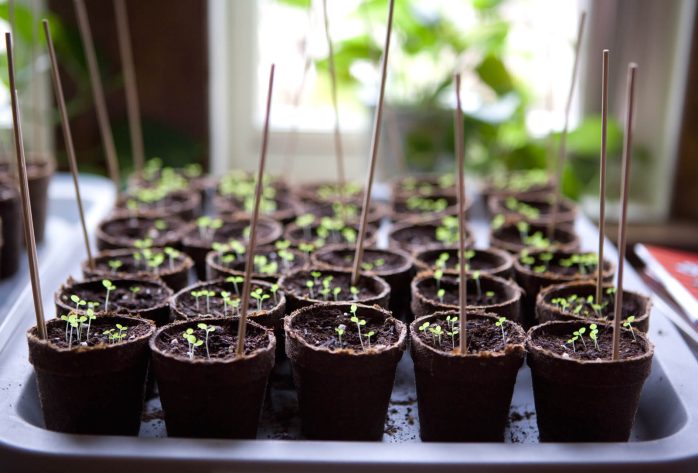
As soon as the seeds have germinated and the cotyledons open (after 10 to 20 days, depending on the type of crop), the seedlings should be removed from the greenhouse and placed in a cooler environment. Now that the little seedlings are standing proudly, heat is less important. Transplant the plants into pots with suitable potting soil to allow the roots to develop. Pour water regularly into the saucer of the pots. When six weeks have passed, transplant the plants into larger pots, adding potting soil and fertiliser. Continue to place them under the lights and pinch off any flowers that form so that the plant becomes stronger before forming fruit.
Mature plants
When the plants are vigorous and well developed, transplant them to your garden, either in the ground or in a greenhouse. Choose a rich soil that will allow them to produce fruit very quickly.
Does and don’ts
Source: yankodesign.com
Don’t invest in a greenhouse without quality horticultural lamps. Lamps for growing vegetables are not the same as the 6400 Kelvin T5 tubes you find in hardware shops. Those also work, but their light output is often much lower. Think carefully when you decide to grow in a heated greenhouse and draw up a sowing schedule. For example, peppers can be started 12-14 weeks before transplanting to the field and lettuce 4-6 weeks before transplanting in early March undercover. Plants grow so fast in the greenhouse that they are sometimes ready too early. They then end up in a pot that is too small and their growth stops.
Below is a list of some vegetables that can be started in a greenhouse and the number of weeks needed before transplanting:
– Peppers: 12-16 weeks before transplanting (pinch off the flowers)
– Tomato: 6-10 weeks before transplanting (do not pinch off the flowers)
– Aubergine: 10-14 weeks
– Courgette and squash: 4-6 weeks
– Leafy vegetables: 4-6 weeks
– Flowers: 10-12 weeks
– Cabbage: 6 – 8 weeks
– Pulses: 4-6 weeks (quickly develop a deep root system, quickly transplant to a larger pot)
– Root vegetables: preferably sow directly in situ as they do not like to be transplanted.
Benefits of Indoor Sowing
Source: jobescompany.com
For a while, people know that having plants indoors has great benefits for their overall well-being. The situation is quite similar to sowing some seeds and watching the plants grow. One could argue that it is even better when you have the plant grow from the smallest seed. Furthermore, an additional boost to your feelings is going to be the success rate you achieve when you try the fruits of your labour. Most people who started practising this discipline reported similar results, which is no surprise.
You probably can tell for yourself if you tried this even for a little bit that it does wonders for your stress levels. The first influence indoor sowing has is on our mental health. The sheer focus you need to have to make the seeds grow won’t allow you to overthink which is one of the many reasons for anxiety and increased stress levels. Furthermore, the feel-good sensation that you are going to have to make the plant grow from seed to full product is enough to make anyone feel good.
Another aspect that is often understated is the fact that you’ll be having vegetables right there in your home. This will do wonders for your cuisine and diet in general. Eating healthy from your private indoor garden is something else. The entire family is going to have benefited from this. Many dishes that you made before will taste differently with fully organic ingredients. In no time you’ll see your overall health improve. While this is not one of the first goals of sowing indoors it truly is a welcomed addition.
Source: ledil.com
While some people would argue that dealing with an indoor garden is too much trouble and that you’ll only get more tired, there’s no truth to that. In fact, you are going to be changing your work habits. With more time spent in the garden, you’ll be more productive both there and at work. Gardening will change your entire look on the way you handle your work duties. First of all, you’ll be able to see the fruits of your labour for the first time in a long time. The longer you participate in this activity the more your productivity will grow. This is one of the best hobbies that both bears fruits and is internally fulfilling. It’s hard to find something similar to this that fills all the dots, and that has so many benefits that you can do at your home.
In the end, there’s one important benefit that mustn’t be forgotten at any cost. With many plants, seeds growing, and fruits and vegetables filling your indoor garden your atmosphere is going to change. Both literally and figuratively. You’ll feel more lively surrounded by your hobby and colourful vegetables, while their growth will clean the air around you. If you have respiratory issues you have another reason to seriously consider indoor sowing as your extracurricular activity. You have nothing to lose and so much to gain.
If you are struggling to unlock your Schlage keypad lock, then this guide is a real treat for you. Schlage is among the most advanced, robust, and reliable keyless entry systems for residential doors.
However, we face many unexpected errors in everyday life and struggle with Shalge unlocking even after entering a valid user code. The good news is, most of the issues you face with Schlage locks require a little troubleshooting. In this guide, we will discuss Schlage lock troubleshooting to solve all the problems.
SchlageLock Troubleshooting To Solve All The Problems
Before we move to a more detailed solution, here is a quick overview of Schlage lock troubleshooting to solve all the problems.
Ensure You Have Entered A Valid Code
Source: techhive.com
If your Schlage Lock is not opening, ensure you have entered a valid code. Wait for 5-10 minutes before you try the code for the second time. Try opening the lock with the previous user codes you have programmed in the lock.
Disable The Override Feature
If it doesn’t open even after entering a valid code, check for the Lock Override settings. If lock “override” mode is enabled, disable it.
Follow these steps to disable the “Override” lock feature
Remove the battery cover and disconnect the battery.
Now look for the slot on the interior assembly.
If it is set to a “Lockout,” it means the lock override is enabled.
To disable this feature, rotate the slot to “Normal.” It is advised to use a screwdriver to rotate the slot.
Disable Vacation Mode
Source: ktla.com
Schlage lock uses a lot of programming, and sometimes the “vacation mode” is enabled according to pre-programmed instructions. The vacation mode lasts for a few weeks depending upon the instruction programmed in the lock. During this period, all the user codes are disabled, and that is why you fail to unlock the door.
To disable the vacation mode, enter the programming code via keypad. A green light blinks, indicating that vacation mode is disabled. However, some Schlage lock models may not work with this method. It is advised to consult the user manual to see how to disable the “Vacation Mode.”
Fix The Batteries
The next thing you should check for is the battery. A Schlage lock may raise issues if the battery is dead. Remove the battery in that case to solve the issue.
If batteries are okay, try to open the lock with a physical key.
Issues With Schlage Turn Lock Feature And Troubleshooting
Source: homeaffluence.com
One of the common problems you face while using a Schlage lock is that its “turn-lock” feature stops working. The “turn-lock” feature is used to lock the door from outside. This feature allows you to lock the door just by pressing the Schlage button. However, sometimes stops responding and requires you to enter Schlage code.
This usually happens when updates are not regularly installed. The direct solution to the problem is rebooting or installing the latest updates.
If the turn-lock feature is not working after rebooting or updating, you may need to replace or repair the lock. It is advised to visit a nearby repair workshop to solve the turn-lock feature issue.
Schlage Code Lock Jamming
Another commonly faced issue is encoded lock jamming. Encode lock allows you to lock and unlock your Schlage lock from anywhere. The jamming issue sully occurs due to hardware issues. However, you can restore default factory settings before you disassemble the lock. If the problem is not solved, disassemble the lock to spot and fix the hardware issues.
Schlage Lock Blinks Green But Doesn’t Open
Source: tomsguide.com
Sometimes it happens that the lock blinks green but doesn’t open. The green light indicates that everything is fine, but some underlying issues cause the lock to stuck. This happens mostly when the lock is not installed correctly. Secondly, it happens if the latch is not working properly.
Follow these steps to identify and troubleshoot this problem:
Unscrew the lock and see if it is properly installed or not.
The primary installation error is the improper placement of deadbolts. Therefore it is advised to check if it is installed at the edge of the door and the bolt is retracted correctly.
The next thing you should look for is the gray plastic cam. If the lock is installed properly, the plastic cam should be pointing downward.
If this issue is identified, unscrew the plastic cam using a screwdriver and reinstall it in the proper way.
If the triangle on the plastic cam is precisely in line with the triangle on the cover bar, the lock is installed properly.
If you don’t know much about smart locks, it is advised to seek help from professionals.
If the lock is properly installed, look for the latch retraction
Rotate the inside lever and see if the latch retracts or not. If the latch retracts, the problem is solved, and try user code to open the locks.
If the latch doesn’t retract when you turn down the lever, seek professional help. You may also contact Schlage customer service to repair or replace the lock.
How To Restore Default Factory Settings?
You can solve many Scahlgelock problems by restoring the default factory settings. This method is ideal for fixing the issue caused by improper settings and wrong programming. Follow these steps to restore the default factory settings of the Schlage lock.
Unscrew the battery cover on the interior hardware and remove it.
Now disconnect the battery.
Locate the Schlage button, press it and hold for a few seconds.
Now release the button and reconnect the battery within 10 seconds. For proper restoration of default factory settings, you need to be quick and ensure that you have reconnected the battery within ten seconds.
Again press the Schlage button and hold it until you hear the lock beep and see the green light indicator.
Enter the user code to complete the restoration process.
If you are facing issues due to the wrong user code or forget a user code, consult the user manual of the Schlage lock to find out how to reset the user code.
Enter the reset user code; if it works, it means the reset was successful.
Set a new user code and you are all set.
How To Set A New User Code On Schlage Lock?
Source: home-automations.net
Setting up a new user code is critical since Schlage lock features sensitive programming. Minor mistakes while setting up a new user code can lead to serious issues, and you may need to perform the factory reset again. Follow these steps to set a new user code on the Schlage lock
Enter the programming code on the Schlage lock keypad.
Advanced Schlage locks have a six-digit programming code.
Once you enter the code correctly, wait for three beeps and the orange lights to blink.
Press the Schlage lock button, and you will see the keypads will turn blue. Now press 3 on the keypad and wait for three beeps and 3 orange indicator lights to blink.
Again enter your 6-digit programming code and wait until you hear 3 beeps and see three orange indicators to link.
Enter a new user code and wait until the new code is registered. It may take more than 30 seconds.
The green light blinks indicating that the new user code is successfully registered and you are ready to go.
FAQs
Source: haag-streit.com
Why is my Schlage lock not locking?
Schlage lock won’t lock if the “Turn Lock” feature is disabled. Go to the lock settings and enable this feature. If the problem is not solved, restore the default factory settings and set up a new user code. If the problem still persists, check for the batteries. If the battery is dead, replace the battery.
Why is my Schlage lock blinking red?
The Schlage lock blinks red when the battery is dead. The red light sometimes also blinks if the battery is not connected properly. Open the cover door, reconnect the battery and see if it works or not. If the battery is properly installed and still blinks red, it means it is time to replace the battery.
How long do batteries last in Schlage locks?
Schlage Lock is a smart electronic lock that uses 9V batteries. A high-quality battery lasts more than 2-years on Schlage lock. You will see the low battery indicator a few months before the battery is drained completely.
Why is my Schlage lock not working properly?
Schlage lock will not work properly due to many reasons. One of the biggest reasons behind the malfunctioning of Schlage lock is weak or dead batteries. Also, it could happen due to improper installation. Moreover, it happens due to programming issues. For instance, if the “Turn Lock” feature is disabled or “Override Feature” is enabled, the lock will not work properly.
Wrapping It Up
We are hopeful that this guide on “Schlage Lock Troubleshooting To Solve All The Problems” will help you fix your smart lock yourself. Schlage lock is one the most advanced smart locks featuring sensitive hardware and programming.
A minor issue can lead to a serious issue and you won’t be able to lock or unlock the door. However, with a little troubleshooting, you can easily fix all the problems yourself. While replacing the battery or performing Restore Default Factory settings, it is advised to carefully read the user manual.
Are you a houseplants lover? If yes, then you’ve probably heard about the Monstera Adansonii. It is also known as the Swiss Cheese Plant. This plant is an excellent choice for those with a bit of space and who wants a remarkable centerpiece at their home.
But worry about the limited space? Do not fret: Monstera Adansonii offers all the Monstera beauty without the massive dimensions. It’s a vine that looks stunning in a pot, and the best part is that you can hang it anywhere.
Monsteras are eye-catching, friendly house plants whose stunning leaves are embellished with dramatic holes. They are vining plants and like to trail across the pot or climb up the trellis or stake. If you already have this Swiss cheese plant or plan to keep this centerpiece, you should know how to care for the Monstera Adansonii plant. Here is the detailed guide:
Swiss Cheese Plant Care Tips
Source: preview.redd.it
Monstera Adansonii is known to be easy to maintain and likes to climb. It has aerial rootlets extending downwards under the stem braced to the earth or another other support.
It may utilize the roots to push its way up on an adjacent tree or the woody vine when in the wild. If you want to grow it in a pot for your home, You can mimic this by installing support within the pot center.
Giving your plant regular water and food is the primary care responsibility for this plant. There is also the possibility of performing some pruning to ensure that the plant is at the size you want it to be.
Swiss cheese plants are Aroid plants. This plant belongs to Central and South America, growing on tree trunks within broad forests at low elevations. These are also found in a few Caribbean islands.
Light
As this plant grows naturally slowly on trunks of trees, the Swiss Cheese Plant is usually shaded from direct sunlight when in nature.
It isn’t yet adapted to the all-day sun, though darkness is not the perfect choice: You should seek out the brightest, indirect light. Two to three hours of direct sunlight is ideal; however, anything more prolonged or more intense can cause scorching to the leaves.
They can manage low-light conditions when needed, and Monstera Adansonii will develop slower and get a bit sloppy under the conditions. The result is that new leaves expand further and also make for an appearance of a slender plant.
Humidity and Temperature
The wild plants grow in extreme humidity and hot temperatures. The more closely you can replicate the plant’s natural habitat conditions, the more you will be successful. Be sure that your plant is in a location above 40 degrees F and keeps it safe from cold drafts.
Humidity that is above 50% is perfect. A well-lit, warm bathroom is the ideal location to place this plant. If you want to enhance moisture, then spray the plant with water or employ a humidifier inside its room.
Watering
What thing that makes Monstera Adansonii care so attractive is the fact that they can handle being dry. If you’re someone who sometimes forgets to water plants, this plant is for you.
hey prefer to be dry, but it doesn’t mean you are allowed to dry entirely regularly. If the top one or 2 inches has been drained, make sure to give your plants water. You might only have to do this every week or perhaps after, but it’s crucial to learn about your plants.
Fertilizer
Source: cdn.shopify.com
Monstera Adansonii doesn’t have a lot of requirements for fertilizers. You can feed it at least once or twice per month in summer and spring and autumn, then cut back on the amount of food you provide them or completely stop in winter.
If you’re looking to provide your plants with an extra boost of nutrients from the start, You can include worm castings in the soil mix or some compost made at home.
Propagating
Since Monstera Adansonii is considered a wild species, it’s relatively easy to reproduce them. If left to run wild, the plants will develop vines between 10-20 meters in length. It means that you’ll need to cut them down regularly not to be a role of a jungle adventurer inside your home!
If you trim the branches, ensure not to discard them. The stems can be cut at the end of the stem, ensuring you have more than two points to get the optimal results. They can be used to grow additional plants or fill the pot for a whole appearance.
Pruning
It is important to note that the Monstera Adansonii can climb, which means it will require being taken care of if it starts to grow out of space. If you want to trim your plant, you should prune it in spring. Utilize sterile pruning shears to reduce stems to less than 25%. Cut just before the leaves node. Also, get rid of broken or dead leaves as required.
Common Issues with Monstera Adansonii
Source: thespruce.com
If it is grown in the right conditions, this plant usually does not suffer significant issues. If, however, you’re unable to satisfy its needs for environmental protection indoors, the plant is susceptible to common problems.
Leaves turning yellow
The leaves’ yellowing usually occurs due to excessive watering. Be sure that your plant is not sitting in waterlogged soil. Also, let it dry between the waterings.
Leaves turning black
Leaves with black spots could be an indication of burning caused by straight sunlight. Keep an eye on the plant during the day to ensure that direct sunlight doesn’t stay on it for long. Mainly, make sure you shield your plant from the intense midday sunlight.
Precautions
Monsteras contains insoluble calcium oxalates, and it can be a nuisance to pets, cats, and humans when they consume foliage. It is best to keep your houseplants out of the reach of pets and children.
Bottomline
When we discuss Monstera AdansoniiMonstera AdansoniiMonstera AdansoniiMonstera Adansonii and their correct maintenance, we’ll need to be aware of certain aspects.
All of them are included in our analysis of Monstera Adansonii, a plant with holes that we are all happy to keep in our tiny backyard jungles. We hope these tips will work for you and make your masterpiece healthier than ever.
Weed & feed are products that are meant to be used on grassy areas to kill weeds. Usually, these products are made up of a combination of corn gluten, fertilizers, and herbicides.
The herbicide is the active ingredient in weed and feed products. This chemical serves to kill the weeds that are growing in your yard or other areas where you use this product. In this article, we will discuss the best weed and feed for lawns.
List of the Best Lawn Fertilizer & Weed Killers
1. Scotts WinterGuard Fall Weed & Feed (14 lbs)
Scotts WinterGuard Fall Weed & Feed Formula is made for use in Fall and Spring to help control weeds in lawns. This weed control works best when it’s mixed with water, applied at the proper dilution, and used on newly seeded or dormant turf.
Scotts WinterGuard for Lawns is a systemic weed killer and controls weeds by entering the plant and killing it at the roots. Scotts WinterGuard should be applied in the Fall or Spring when temperatures are below 75 degrees Fahrenheit.
The Scotts WinterGuard Fall Weed And Feed have active ingredients that are Aminopyralid 0.085%, Pyrasulfotole 0.0596%, Dicamba 0.05%, 2,4-D 0. 05%, Mecoprop-P 0.049%.
Apply Scotts WinterGuard Fall Weed And Feed to establish new lawns or to dormant Bermuda, Kentucky bluegrass, perennial ryegrass, rough bluegrass, intermediate bentgrass, and fine fescues.
Do not apply this weedkiller on bentgrass or annual ryegrass that has been seeded in the spring within the past 24 months. To apply Fall Weed And Feed, refer to the product label for application rates.
Mix 1 quart of Scotts WinterGuard with one gallon of water per 50 gallons of turf. Apply as directed on the product label. Weeds may not be completely controlled and could reappear within a few weeks of application.
Specifications:
Can be used in fall and spring
Kills weed at the roots
Weedgrip technology
Also clears clover dandelion
2. GreenView Fairway Formula Fertilizer Plus Crabgrass Preventer
GreenView Fairway Formula Fertilizer Plus Crabgrass Preventer is a non-water soluble product. This means that it won’t be washed away from your lawn easily by rain or watering. It will stay in the lawn, working its way into the soil to do its job. This Scotch-Grass fertilizer is specially designed to leave your lawn healthy, thick, and green.
It also neutralizes the effects of crabgrass so you don’t have to deal with those pesky crabgrass seeds from germinating. This unique fertilizer works immediately to eliminate weeds, fungus, and germinating seeds. This will leave your lawn free from weeds and also prevent them from growing back. This product is also colour-free. It won’t stain your lawn or the grass around your house.
GreenView Fairway Formula Fertilizer Plus Crabgrass Preventer doesn’t contain any Hg (mercury). It’s also safe for septic systems and pets, children, and pregnant women. This product doesn’t contain salt or other toxic chemicals that could harm your lawn or the environment.
It is a great way to keep your lawn free from weeds and crabgrass. You’ll be able to enjoy a weed-free lawn without the tedious work of weeding and the use of harmful chemicals.
Specifications :
Kills 200+ laws weeds
Blocks crabgrass and feeds the lawn
Steady even feeding up to 3 months
3. Preen One Lawncare Weed and Feed
Preen One Weed and Feed is a mixture of the highest quality fertilizers, herbicides, and surfactants. This weed control product can be purchased from your local hardware store or ordered online.
The mixture in Preen One Weed and Feed is designed to kill weeds selectively. Unlike some other weed control products, it does not harm desirable plants.
The Preen One Lawncare Weed and Feed also prevents weed growth for up to six months. This product eliminates common lawn weeds without harming desirable plants. Preen One offers environmentally conscious, non-toxic solutions that are safe for people, pets, plants, soil, rainwater runoff (and much more!).
Lawn care just got easier with Preen’s complete line of maintenance products. Our Weed and Feeds are safe for use on all types of grasses.
They kill weeds by inhibiting their growth, without the use of harsh chemicals that damage the environment. Preen One Weed and Feed is a ready-to-use concentrate that spreads easily over your entire lawn. The formula contains a powerful pre-emergent herbicide that helps prevent weed growth before it starts, and an effective grass food promoting a healthier, thicker lawn.
Specifications:
Feeds lawn for 8 weeks
Stops crabgrass all seasons
Zero-phosphorus 24-0-6 formula
4. Scotts Turf Builder Southern Triple Action
Scotts Southern Triple-Action Grass Seed is a blend of annual and perennial grasses that for tough, dependable and lush lawns throughout the south. All-star varieties include perennial ryegrass, Kentucky bluegrass, and red fescue.
Scotts Southern Triple-Action Grass Seed is the Southern home owner’s best defence against infrequent watering, heavy traffic or drought conditions. Plus, because this seed is Scotts brand, your lawn will be resistant to many pest problems for three years after installation!
Lawns are so much more than just a piece of the landscape. They are havens for wildlife and an extension of your home’s exterior design.
A beautiful, well-maintained yard is a source of pride and beauty. It speaks volumes about your home and its owner. Scotts Southern Triple-Action Grass Seed is the ideal choice for yards that need to be kept free of weeds, free of weeds and free from bugs.
Specifications:
Prevent and kill fire ants
Strengthen the lawn against drought and heat
Three in one formula to kill clover and dollarweed, fire ants and feed the lawn
5. Scotts WinterGuard Fall Weed & Feed (43 lbs)
Scotts WinterGuard Fall Weed And Feed provides the nutrition your lawn needs to stay green and thick and repair the damage from summer heat and drought to ensure a better lawn in the spring. You also can help your lawn look its best by fertilizing it in the fall, which means fewer weeds and fewer dandelions next spring.
Scotts WinterGuard Fall Weed & Feed is a great way to feed your lawn with the nutrients it needs for an attractive appearance.
This fertilizer is made to promote deep root growth and help your lawn grow thick and green. The product fends off harmful pests and weeds to keep your turf looking its best. It can be used on establishing turf and on lawns that need a boost. It also helps your grass withstand extreme temperatures and other stressors that may come it’s way.
Remember that high-quality fertilizers are crucial to your lawn’s well-being. The best way to feed your turf is with a ticketed product like this that gives you action, results, and value for the money.
Specifications:
Weedgrip technology
Improved your lawn’s ability to absorb water and nutrients
Kills clovers and dandelions
6. BioAdvanced Weed & Feed All In One Crabgrass Killer
BioAdvanced Weed & Feed All In One Crabgrass Killer is a weed killer and feeder additive, which is designed to take care of your lawn’s weeds and make it look greener by feeding the grass with nutrients.
This product is safe for kids and pets because it’s non-toxic, has no smell and is biodegradable. It contains water-soluble powder that can be sprayed directly onto your lawn for best results. Just mix 2 tablespoons of the powder with 2 cups of water then spray the solution into the areas that are infested with weeds.
Just let this mixture settle for 30 minutes before you water your lawn. It’s best to water your lawn at night because the sun will reduce the power of this product.
BioAdvanced Weed & Feed All In One Crabgrass Killer is guaranteed to remove your weeds in just 3 days, which will give you an awesome lawn in just 1 week. It’s highly recommended that you use this product along with BioAdvanced Weed & Feed Fertilizer because together, they can increase the grass growth by 50%.
A word of caution is that while this product is safe for your lawn, it is not safe for your plants. So be careful not to spray any solution onto your plants, they may taste it. Also, don’t leave the bottle of the product lying around as this may cause children and pets to eat it.
Pennington UltraGreen is made up of a unique blend of natural products. It contains an organic fertilizer derived from the fermentation process, as well as natural sources of iron, calcium, magnesium and other trace elements.
This product is 99% organic and contains no artificial ingredients. It is formulated to support your Lawns natural defences and promotes stronger root growth. It does not contain chemical fertilizers such as nitrogen, phosphorus, or potassium. It also does not contain any dangerous weed killers or herbicides, which put your children and pets at considerable risk of illness and injury.
The natural ingredients in Pennington UltraGreen promote the rapid growth and deep rooting of thicker turf that resists disease and pests. The natural ingredients of Pennington UltraGreen inhibit the feeding and reproduction of many insect and weed pests such as botflies (caterpillars), aphids (plant lice), grubs, etc.
It also stops the spread of lawn weeds such as crabgrass. Pennington UltraGreen will produce higher-quality grass that is more resistant to injury, disease and pests. A thicker lawn will prevent the development of bare spots, thicken the root mass of the existing grass and provide for an overall healthier environment.
The natural minerals & trace elements in Pennington UltraGreen encourage vigorous root growth and a thick, healthy turf that resists disease and pests.
Specifications:
Quick greening
Kills 250+ weeds
Nitrogen for green plant growth
8. Scotts Turf Builder Halts Crabgrass Preventer with Lawn Food
The Scotts Turf Builder Halts Crabgrass Preventer is an easy-to-use product which eliminates crabgrass and weeds in your lawn. The Scotts Turf Builder is applied to your lawn once a week for 4 weeks.
The product is non-toxic and compatible with any type of soil, terracina and fertilizers in the recommended dosage. Ingredients: Organic Neem oil, s-Metolachlor, fatty acids and a few other ingredients.
Cost: $25 for the bottle which does 24 applications and refills for $15. The refills are easy to use because you can just mix it with your Scotts Turf Builder Concentrate. A little amount of the product is used each time so it will last you a while.
This product is definitely worth it because of how long a bottle lasts and how effective the product is. Ease of use: The Scotts Turf Builder Halts Crabgrass Preventer is super easy to use.
Specifications:
Controls annual weeds such as chickweed, henbit, dandelion, and plantain as well
Kills large crabgrass and prevent new ones
Greens the lawn up to 3 months
9. BioAdvanced 704160 Weed Killer for Lawns
If you’re looking for a quick, natural weed-killing solution, the BioAdvanced 704160 Weed Killer might be just what you need. This product only takes minutes to apply and kills weeds quickly with its systemic action.
With broad-spectrum herbicide and broadleaf weed control, this formula kills weeds without harming other vegetation. It also has no impact on turf, as it is not a preemergence herbicide. When used in conjunction with the BioAdvanced Weed Control Concentrate (704160) and summer watering, the two products together provide a fast, effective answer to weeds.
The 704160 treatment can be used at any time of the year to provide outstanding control of annual, perennial and woody plants that choke out or compete with turf grass. Once established, they can significantly reduce turf growth potential by choking out or shading out desired turfgrass varieties and replacement species.
It is an excellent choice for Lawn-Pest Control to help knock out and eliminate any insects that are impacting your lawn, as well as grubs and droughts. It’s easy to apply too. It can be mixed with water from the hose or a sprayer, fixed fertilizers (such as liquid plant food), seed meals, organic fertilizers or water sprays of any kind.
Simply mix the concentrate with the appropriate amount of water and then apply to your weeds using a conventional sprayer at one-third cup per 1,000 ft2 of turf area.
Specifications:
Kills 200+ broadleaf lawn weeds
Won’t harm lawns
Rainproof in 1 hour
Treats up to 16,000 sq. ft.
10. Scotts WeedEx Preventer with Halts – Crabgrass Preventer
If you’re having trouble with crabgrass, Scotts WeedEx Prevent is the solution for you. This weed preventer can take care of tough weeds like crabgrass while giving your lawn a healthy dose of nutrients at the same time.
When you use this weed preventer, Scotts WeedEx Prevent will kill crabgrass and other grassy weeds you have in your lawn. But it won’t harm the grass that’s already growing in your lawn.
The herbicide moves down through the roots of the grasses that have already grown, as well as the seeds in the soil. This allows your new grass to grow and flourishes while preventing future weeds from coming back up and taking over your yard.
Scotts WeedEx Prevent also includes a healthy amount of nutrients in each treatment. It tackles the toughest weeds and grasses, while feeding your lawn at the same time. This weed preventer is an excellent choice for lawns that are already struggling.
It works to help you get rid of any tough weeds you’ve been dealing with at the same time it’s giving your lawn a healthy boost of nutrients. You can use Scotts WeedEx Prevent twice per year, in either spring or fall.
Specifications:
Prevents crabgrass all season long
Stops crabgrass before it starts
Apply in early spring for season-long prevention of crabgrass
Effective pre-emergent control of different types of weeds
Buyer’s Guide
Source: empire-s3-production.bobvila.com
Type of weeds
There are different types of weeds such as annuals, biennials and perennials. While buying the weed and feed for your lawn, you should consider the type of weed. It will help you to select the right product for your lawn.
Chemical and ingredients
There are many different products available with different chemicals, so the most important thing is to read the labels carefully before buying just any weed and feed product for your lawn. Weed and Feed for lawns can be used as a preventative measure as well as to control weeds that are already growing in the lawn.
If you want to buy weed and feed that will control existing weeds, then you need to select a product that contains not only herbicides but also an ingredient called an algaecide. Algaecide is a major cause of thinning and discoloured lawns, especially in the spring. Weed and Feed products that contain an algaecide are best for killing existing algae as well as lawn weeds.
Herbicides
The herbicides in Weed and Feed are non-selective, which means that they kill anything that is green or growing, including lawn grass. If you are aiming for a more natural look on your lawn, you need to know if the herbicides will also kill any of the existing grass. The herbicide in Weed and Feed is usually safe for children or pets to touch if it is used properly. The safety depends on the type of herbicide used.
Concentration of the ingredients
Weed and Feed products with a high concentration of active ingredients (weed killer) will generally cost less than those with a lower concentration of active ingredient per unit of algaecide.
The right mix of herbicides for lawns depends on what kind of weeds you have, how severe the weed problem is, and what other problems you may be having with your grass such as thinning or discoloration (or both).
FAQs
Source: i2-prod.sussexlive.co.uk
What is the best lawn fertilizer for early spring?
The lawn fertilizer for early spring will only be effective as long as the weather is warm enough for lawns to grow now instead of later. If it gets too hot now, turf growth will stop before the early spring fertilizer has a chance to take effect and the lawn will tend to be patchy and appear worse than usual.
One of the best lawn fertilizers for early spring is Scotts Turf Builder Lawn FertilizerScotts Turf Builder Lawn FertilizerScotts Turf Builder Lawn FertilizerScotts Turf Builder Lawn Fertilizer. Scotts Turf Builder offers a complete package of 16 key lawn nutrients for maximally healthy, beautiful lawns. Though, you can also go for other options as well.
How to use Weed & Feed to revive your lawn?
You should always start by applying the weed killer first. The weed killer will kill any stubborn weeds before you go in with the fertilizer. The key here is to put down too much so that the weeds are killed, but not so much that your lawn is left starving for food.
After the weeds have been killed, then you can put down the fertilizer. Make sure that you don’t put down too much, or else your lawn will have a very unhealthy look to it. The goal is to put down enough fertilizer so that your grass gets the nutrients it needs.
Should I mow my lawn before using weed & feed?
Mowing your lawn while it’s wet is a bad choice for many reasons. The mower blades will pick up the clippings and discharge them back onto the lawn, making it very susceptible to disease.
The clippings that the mower picks up also contain weed seeds, so when the grass germinates, the plants will compete with each other for nutrients. That’s why I recommend mulching instead of mowing.
How do the seasons affect the use of weed & feed?
For most applications of weed & feed, the season of early spring is considered to be the best especially if you are living in a northern climate. In the southern climate, you can use weed & feed at any time of the year. For the best results, you must time your use of weed & feed on the growth zone.
What is the best ratio for lawn fertilizer?
Usually, it is a 2 to 3 percent ratio of fertilizer to the water. Often, there is a recommended ratio on the label of the product. Using the information, you can use the right ratio of lawn fertilizer solution per application.
Conclusion
Most people know that weeds can break down the fabric of a lawn by taking nutrients from the ground. This can often be prevented by adding a weed and feed treatment to the lawn every two months. But it is important that you buy the best weed and feed product for your lawn.
The article concludes with the best options for weed and feed products for your lawn. When you add a weed and feed to your lawn, be sure to also add nutrients to the soil.
The chemicals in the weed and feed will help bring nutrients like nitrogen and phosphorus, which can make up for any plants that don’t exist in the yard.
Growing plants is no less than raising a baby. It takes huge amounts of time, patience, and care to grow these plants and trees to be healthy. However, there are many insects that feed on your lush green plants and leach away all the nutrients from them.
Fungus gnats are one such species that are about one-eighth of an inch; however, the havoc they cause is gigantic. So, if you are wondering how to get rid of these pesky tiny fungus gnats, read this article to find out the remedy!
What Are Fungus Gnats?
Source: squarespace-cdn.com
The first step to getting rid of the pests affecting your plants is to identify them because different pests can be gotten rid of plants in different ways. Fungus gnats are usually black in color with thin wings. They also have long legs and antennae.
These species have a really short life span but the extent of damage they cause in this time period is enough to destroy your crops or plants. However, you do not have to worry because we are here with the right solution for you!
Identifying Fungus Gnats
These fungus gnats usually feed in clusters and hence do not fly off to far distances. These insects are generally more abundant when and can be found hovering around indoor plants in late fall and winters.
Unfortunately, there might be other species that might resemble these fungus gnats, so here is a simple way in which you can verify if your garden or plants are actually infected by fungus gnats.
The Raw Potato Test
Before you go out and try the remedy for getting rid of fungus gnats, place a piece of raw potato near the soil that has infected plants. If you spot larvae after lifting this potato piece after a few hours, you can be sure that fungus gnats have ambushed them!
Fungus gnat larvae feed on the organic matter of soil, fungi, and on other growing mediums as they develop into adult gnats, and this is how you can find the larvae on the potato strip.
You can also spot these fungus gnats hovering around light sources. Therefore, if you spot both of these observations, get ready to apply the remedy as soon as possible!
How to Get Rid of Fungus Gnats?
Source: salisburygreenhouse.com
Hydrogen peroxide works magically by getting rid of these insects. It is also one of the most common household items often stored in the medicine cabinet as it is both good for maintaining health and beauty.
The best part is that this foamy liquid can help you get rid of fungus gnats without affecting your plants!
So, here are three ways in which hydrogen peroxide can help you.
Hydrogen Peroxide for Indoor Plants
If you notice an infestation on your indoor plants, allow the growing medium to dry out for a day or two. For the treatment, mix about one part hydrogen peroxide with four parts water. Once the mixture is ready, replace it with the regular water you use every day to water your plants. Ensure that all of your plants receive this mixture.
You might notice fizzing when the mixture falls on the growing medium; however, do not panic as this is normal, and fungus gnat larvae die on contact. Later, the peroxide gets converted to oxygen and water that are completely safe.
Hydrogen Peroxide Spray
Source: nouveauraw.com
The above-mentioned method works perfectly on the larvae; however, you might still notice adult gnats hovering around, and there is a risk of them laying a fresh batch of eggs on the growing medium.
It is also important to get rid of the adult gnats if you want your plants to be completely free of the fungus gnats. Therefore, use the same mixture, but this time pour it into a spray bottle. Now, spray this mixture onto plant leaves and stems and any other regions where you find the adult fungus gnats hovering around.
Hydrogen Peroxide Soil Drench
Sometimes, the infestation might be too abundant, and the methods mentioned above might fail at getting rid of these gnats completely. This is when you need to act quickly. Stop watering the plants and shift them to an open location like a sink.
Use the hydrogen peroxide and the water mixture to drench the soil in it thoroughly. Ensure that you keep pouring the mixture until the liquid starts flowing out from the drainage holes of the soil pots.
Wait for about ten minutes and repeat the same procedure again. This not only kills the larvae but also flushes out their carcasses out of the growing medium.
How to Prevent Reinfestation?
You might have gotten rid of fungus gnats, but the risk of them coming back again still remains high.
Here are a few ways in which you can prevent their reinfestation!
Reduce the amount of water supplied to the growing medium. Fungus gnats thrive in moist and warm environments in which seeds usually germinate. By reducing the amount of water, you can ensure that the environment is not conducive to them anymore.
If these gnats affect your outdoor manure or compost piles, treat them with the peroxide mixture until saturation. Let the compost dry off completely.
Always try to keep manure and compost away from the potted plants, greenhouse plants, and your garden plants because these plants are at a higher risk of getting attacked by fungus gnats when moist compost is near these plants.
Ensure that you never feed your plants a surplus of manure, blood meal, or any other organic matter that can attract fungus gnats.
Seal any cracks in the windows and doors, use meshes, and cover any other openings to prevent fungus gnats from coming inside.
Final Words
Fungus gnats themselves may not pose an immense threat to the growth of your plants. However, they often lay eggs in these growing mediums, which later become larvae with voracious appetites.
With hydrogen peroxide, you can ensure that your indoor plants and gardens stay protected from fungus gnats!
Tree stumps look ugly and cover up precious space. Tree stumps are extremely resilient, no matter how small it is. They can produce a multitude of new sprouts because the root systems flourish deep inside the earth.
By removing these uglinesses from your yard and garden, you can create your setting much more interesting, and the best part is that you do not need to go through your pockets to get rid of an unruly stump.
If you are not interested in hiring a specialist to remove a stump, then do the work yourself; you can do it by using the items that you find within your own home.
Different Methods To Kill A Tree Stump
Epsom Salt
Source: ytimg.com
Epsom saltEpsom saltEpsom saltEpsom salt is rich in sulfur and magnesium that can create healthy growing conditions for trees in tiny amounts. Extirpating stump roots to a lot of these minerals can produce deadly outcomes. Start by mixing 100 % Epsom salt in water. This will make the solution that can degrade in the root of your stump.
The next step is to drill 12 1-inch-wide holes in the stump. The holes should each be approximately 10 inches in depth. After that, pour ample quantities of Epsom salt into the tree holes. Then, wrap the tree stump using a sheet of tarp and wait for a minimum of 3 months to eliminate the stump roots.
Rock Salt
It is generally applied to melt ice off walkways and roads; rock salt produces detrimental effects on stumps of trees. The salt Sodium chloride present in rock salt makes soil store water, which means the roots of a tree do not absorb it.
The intense drying process causes stumps to die. This method works effectively by digging holes into the stump of a tree. Make use of a drill item that is a minimum of 3/8 inches in diameter.
Next, bore the stump for at least 10 inches. Fill each hole with rock salt, and the top is filled using hot water to melt in the crystals of salt. After that, apply a 2-inch thickness of rock salt over the stump’s base.
Sprinkle hot water on top to allow the rock salt to dissolve to the ground. Then, wrap the stump’s top with the mulch and soil, and leave it for at least six weeks. Once the tree stump begins to decay, start the process of removal.
Burn Stump Out
Burning is a fantastic approach to eliminating stumps of trees. The burning process will take approximately 24-48 hours, depending upon the dimensions of your stump.
However, you’ll also have to dedicate several days to get the stump for burning by cutting burn slots or drilling holes and then dipping the stump in oil or fuel to help the burning process.
This procedure requires safety precautions when operating with flames and its unpredictable nature.
Block The Sunlight
This method is good, but you need to ake the sunlight off the tree’s stump. We are aware that trees require sunlight for their photochemical effects. However, they’ll end up dying if they do not receive the right amount of sun.
You can make use of several options to cover a stump of a tree, like shade, polyester that is coated by polyurethane sheets made from plastics such as polyethene, or a trash bag in black colour. You just need to grab any one item and cover the stump with duct tape. For a better result, remove the seedlings in the area throughout your stump.
Be sure to monitor the process of dying of your tree by time. This process requires a lot of patience and time due to the slow way to deprive an entire stump of light. Eventually, it will begin to decompose.
It’s best to hold off until the stump begins to rot and then falls to pieces by itself. This is a great method to remove a stump because it stops the tree growth and eventually degrades.
Boiling Water
Source: bobvila.com
This is among the most cost-effective and efficient methods to follow our advice on getting rid of a stump. This method also induces roots by using a stump killer made at home using boiling water. The only aim of this technique is to destroy the stump’s bases.
To apply this method, first, you need to take a pot and then pour a significant quantity of water into it. Put it over the fire, and wait till the water has reached a complete boil. When water is completely boiled, spill it immediately onto the stump roots. To make this method more effective, it is essential to make certain that the bulk part of the roots is burned.
If you can scrape off the soil and push the roots out, then you can. You could pour the boiled water over them; however, it might be more efficient to cut them close to the stump using an axe. This will give you less work to complete when getting the roots out and then striking them with water. Instead, you can concentrate on the areas that are not cut.
If you’d like to accelerate the process, create holes in the tree’s stump to allow the heat to be distributed completely in the stump. Similar to the other methods listed here, the process could also cause the death of the tree’s stump by degrading it.
Grinding the Tree Stump
Source: jtreeserviceli.com
It is the fastest technique to kill and remove stumps from trees. This involves employing a tree removal professional or leasing a stump grinder machine to cut the tree’s body and root. The typical costs for this task are between $100 and $400. The cost of renting a stump grinder generally ranges from $80 to $150 for 4 hours.
Bottomline
These simple and easy methods are the most reliable way to remove a stump from a tree without the risk of infecting your field with harmful chemicals.
Utilizing these methods will enable you to remove the stump and preserve the healthy environment in your yard.
Although we suggest DIY methods, if you are in a rush renting a machine or engaging a pro to assist you in grinding to the stump will be the quickest solution.