Tag: Guide

  • Mastering Drain and Sewer Cleaning in San Diego: A Homeowner’s Guide 

    Mastering Drain and Sewer Cleaning in San Diego: A Homeowner’s Guide 

    San Diego might appear as a paradise on Earth. But it comes with its own set of flaws. Many of them are closely tied to faulty plumbing systems.

    If you’re in need of drain cleaning and sewer cleaning in San Diego this article is aimed to help you.

    The Importance of Drain and Sewer Cleaning

    The Importance of Drain and Sewer Cleaning

    Well-maintained drains and sewer lines at home are crucial for plenty of reasons. For one, regular clean-ups prevent blockages and backups.

    Two, it ensures that wastewater efficiently leaves your premises. In the end, it shows potential malfunctions early, making them easier to solve later on.

    Common Causes of Drain and Sewer Blockages

    There are numerous factors that can lead to blockages in drain and sewer systems. These are the primary ones:

    • Kitchen Waste – Clogs are formed as a consequence of the accumulation of grease, food particles, and other debris in kitchen drains.
    • Bathroom Blockages: Hair, soap scum, and various personal care products are primary bathroom issues in this department.
    • Tree Roots: In San Diego, tree roots can invade sewer lines.

    The Do’s and Don’ts of Drain Cleaning

    Effective drain cleaning relies on both proactive measures and reactive solutions.

    • Do Regularly Clean Your Drains
    • Don’t Dispose of Harmful Substances Down the Drain
    • Do Use Drain Strainers

    Signs You Need Professional Drain Cleaning

    Signs You Need Professional Drain Cleaning

    While many blockages can be dealt with with DIY methods, there are many evident signs that show that professional assistance is necessary.

    • Recurring Clogs
    • Slow Draining
    • Bad Odours

    Tackling Sewer Cleaning: When DIY Won’t Cut It

    Sewer cleaning in San Diego is quite a more complex task. It usually requires professional action. For example, Plumbing United & Water Heaters specializes in sewer cleaning services.

    Companies such as these have advanced technology and techniques and they’ll ensure your sewer system functions properly. this is how they approach water clogging issues:

    • High-Pressure Water Jetting – This method effectively clears blockages and buildup in sewer lines.
    • Sewer Camera Inspections – These inspections help identify the exact location and nature of the blockage or damage.

    The Role of Preventive Maintenance in Drain and Sewer Care

    Preventive maintenance is key to avoiding major issues with your home’s drainage and sewer system.

    • Routine Inspections – Regular inspections can detect potential problems before they escalate.
    • Professional Cleaning – Periodic professional cleaning can keep your drains and sewers in optimal condition.
    • Early Problem Detection – Professionals can identify and address minor issues before they become major concerns.

    Expert Approach to Drain and Sewer Solutions

    Expert Approach to Drain and Sewer Solutions

    When seeking professional assistance look for companies that are committed to providing top-notch drain cleaning and sewer cleaning services. These include:

    • Expertise in Drain and Sewer Cleaning – Drain and sewer maintenance, offering effective and long-lasting solutions.
    • Customized Service Plans – Customized service plans to meet your specific needs.
    • Commitment to Customer Satisfaction – Satisfaction and comfort of clients through reliable, efficient, and courteous service.

    Advanced Techniques for Effective Drain and Sewer Cleaning

    In San Diego’s diverse and dynamic residential landscape, using advanced cleaning techniques is vital for maintaining the integrity of every plumbing system.

    These techniques offer thorough and long-lasting solutions to common drain and sewer problems.

    • Motorized Drain Augers – For tougher clogs, motorized drain augers, also known as plumber’s snakes, are used to penetrate and clear blockages deep within the drainage system.
    • Eco-Friendly Solutions – San Diego, known for its environmental consciousness, also sees the use of eco-friendly and safe cleaning solutions that are effective yet gentle on the environment.

    The Imperative of Professional Drain and Sewer Cleaning Services

    While DIY methods can be effective for minor issues, professional drain and sewer cleaning services play a crucial role in the overall health and efficiency of your plumbing system. Look for:

    • Expertise and Experience – Professional plumbers bring a wealth of knowledge and experience.
    • Advanced Equipment – Professionals use state-of-the-art equipment and techniques.
    • Safety and Compliance – Professional services ensure that all cleaning and maintenance work is conducted in compliance with San Diego’s safety standards and regulations.

    Preventive Measures and Regular Maintenance

    Preventive Measures and Regular Maintenance

    Adopting a proactive approach to drain and sewer maintenance can significantly reduce the likelihood of severe blockages and costly repairs.

    Regular maintenance is key to detecting early signs of potential issues and addressing them before they escalate.

    • Routine Checks – Scheduling routine checks with a professional service can help identify and resolve minor issues before they turn into major problems.
    • Clean Habits – Maintaining good habits, such as avoiding flushing non-degradable items down the drain and regular self-cleaning routines, contributes to the overall health of your plumbing system.
    • Early Intervention – At the first sign of slow drainage or minor blockages, seeking professional advice can prevent the situation from worsening.

    The Integral Role of Plumbing & Water Services in San Diego

    These services stand as a beacon of excellence in providing comprehensive drain and sewer cleaning services in San Diego. The commitment to quality service and customer satisfaction places these companies at the forefront of plumbing solutions in the city.

    When selecting the right one look for:

    • Personalized Services – Understanding that each home in San Diego has unique plumbing needs.
    • Rapid Response and Efficiency – A swift response to emergency calls, ensuring that your plumbing issues are resolved promptly and efficiently.
    • Customer Education – Empowering our clients with knowledge, offering insights and tips on maintaining their drains and sewers effectively.

    Choosing The Right Service for Your Plumbing Needs

    Choosing The Right Service for Your Plumbing Needs

    Selecting the right service provider for your drain and sewer cleaning needs in San Diego is a decision that impacts the longevity and effectiveness of your plumbing system. Look for:

    • Skilled Technicians – Highly skilled and experienced technicians who are adept at handling a wide range of plumbing challenges.
    • Comprehensive Solutions – A full spectrum of plumbing services, from basic drain cleaning to complex sewer maintenance and repair.
    • Commitment to Excellence – Dedication to providing the highest quality service has made us a preferred choice for homeowners across San Diego.

    Embracing Long-Term Plumbing Health in San Diego

    Maintaining the health of your home’s drainage and sewer system is a crucial aspect of homeownership in San Diego. Regular and professional cleaning not only ensures the smooth functioning of your plumbing but also contributes to the overall well-being of your household.

    As San Diego continues to grow and evolve, the need for reliable and efficient plumbing solutions becomes ever more significant.

  • How To Get Rid of Stickers in Yard and Prevent Them Forever – Gardening Guide

    How To Get Rid of Stickers in Yard and Prevent Them Forever – Gardening Guide

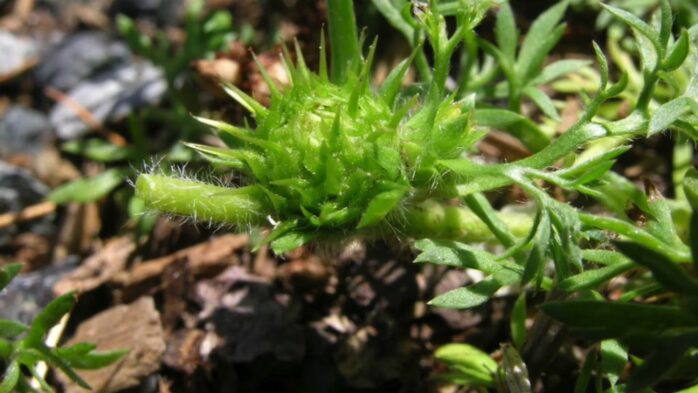
    Stickers in your yard can be more than just a nuisance; they can ruin the aesthetic of your outdoor space and make it uncomfortable to walk on the grass.

    I’ve spent years researching and implementing effective lawn care techniques, including the eradication of various types of weeds and stickers.

    My work has been published in reputable gardening journals, and I’ve consulted for landscaping companies on weed control strategies.

    In this guide, I’ll show you proven methods to not only get rid of stickers but also prevent them from coming back. We’ll cover both chemical and natural solutions, so you can choose the approach that best suits your gardening philosophy. Let’s get your lawn back to its pristine condition.

    Tips on How To Kill Stickers in Yard

    1. Using Hands

    Get Rid of Stickers in Yard Using Hands

    I recently tried the method of removing stickers from my yard by using hands, and here’s what I found.

    The approach is straightforward and doesn’t require any specialized equipment, just a good pair of gardening gloves. I was able to feel the roots better, ensuring a more thorough removal compared to using tools.

    However, it was a bit time-consuming and required a fair amount of physical effort. I had to bend down a lot, and after a while, it did take a toll on my back. But overall, I believe this method is a good option for those who prefer a more hands-on, chemical-free approach to gardening.

    Key Features

    Equipment Needed Gardening Gloves
    Time Required Variable
    Chemical-Free Yes
    Environmental Impact Low
    Physical Effort Moderate to High
    Cost Low
    Pros
    • Chemical-free approach
    • Low cost
    • Better root removal
    • Environmentally friendly
    • Up to N
    Cons
    • Time-consuming
    • Physically demanding
    • Up to N


    2. Mow the Grass

    Mow the grass

    I recently adopted the method of mowing my grass as a way to manage stickers in the yard. The first thing I noticed was the immediate improvement in the lawn’s appearance. Mowing helped cut down the stickers to ground level, making the yard look cleaner and more uniform.

    That said, mowing didn’t completely eliminate the problem. The stickers grew back after a while, requiring another round of mowing. However, frequent mowing did seem to weaken the stickers over time, making them less of a nuisance.

    Overall, if you’re looking for a quick and relatively easy way to manage stickers, mowing is a good option to consider.

    Key Features

    Equipment Needed Lawn Mower
    Time Required 1-2 Hours
    Chemical-Free Yes
    Environmental Impact Moderate
    Physical Effort Low to Moderate
    Cost Moderate
    Pros
    • Quick results
    • Easy to execute
    • Weakens stickers over time
    • Up to N
    Cons
    • Not a permanent solution
    • Requires equipment maintenance
    • Up to N


    3. Apply MSMA

    Get Rid of Stickers in Yard Using MSMA

    The chemical was effective in killing the stickers, and I noticed a significant reduction within a week. MSMA is a selective herbicide, so it targets the stickers without harming the grass, which is a big plus.

    However, keep in mind that it is toxic and requires careful handling, including the use of protective gear. It’s also not the most environmentally friendly option out there. Despite these drawbacks, if you’re looking for a potent, fast-acting solution, MSMA is worth considering.

    Key Features

    Equipment Needed Sprayer, Protective Gear
    Time Required 1 Hour
    Chemical-Free No
    Environmental Impact High
    Physical Effort Low
    Cost High
    Pros
    • Highly effective
    • Fast-acting
    • Selective herbicide
    • Up to N
    Cons
    • Toxic to humans and pets
    • Environmentally unfriendly
    • Up to N


    4. Pre-Emergent Herbicide

    Pre-Emergent Herbicide

    I must say, the timing is crucial with this method. I applied the herbicide early in the season, just before the stickers were set to germinate. The results were impressive; I saw a noticeable reduction in new sticker growth throughout the season.

    Interestingly, I found that this method pairs well with other sticker control strategies I’ve been using. It’s like a preventive shield that makes the rest of the maintenance easier. However, it’s worth noting that pre-emergent herbicides won’t kill existing stickers; they only prevent new ones from sprouting. Also, you’ll need to reapply it each season for continued effectiveness.

    Key Features

    Equipment Needed Sprayer
    Time Required 30-45 Minutes
    Chemical-Free No
    Environmental Impact Moderate
    Physical Effort Low
    Cost Moderate
    Pros
    • Prevents new growth
    • Easy to apply
    • Pairs well with other methods
    • Up to N
    Cons
    • Seasonal reapplication needed
    • Doesn’t kill existing stickers
    • Up to N


    5. Apply Fertilizer

    Get Rid of Stickers in Yard Applying Fertilizer Garden

    I’ve been using fertilizer as part of my lawn care regimen for years, and I’ve found it to be a useful tool in the fight against stickers. A well-fertilized lawn grows thick and healthy, making it difficult for stickers to establish themselves. When I applied a balanced fertilizer to my lawn, I noticed not just the lushness of the grass but also a decline in sticker invasion.

    However, it’s essential to get the fertilizer mix right; too much can lead to other problems like thatch build-up or even nutrient pollution. Also, fertilizing alone won’t eliminate stickers but can make your lawn more resilient against them. It’s a long-term strategy, not a quick fix.

    Key Features

    Equipment Needed Spreader
    Time Required 1 Hour
    Chemical-Free Depends on Fertilizer Type
    Environmental Impact Variable
    Physical Effort Low
    Cost Moderate
    Pros
    • Boosts lawn health
    • Makes lawn resilient
    • Versatile (works with other methods)
    • Up to N
    Cons
    • Requires precise application
    • Not a standalone solution
    • Up to N


    7. Use Homemade products

    Vinegar Weed Killer

    I’ve experimented with homemade products for sticker control, and the results have been quite encouraging. Using a mixture of vinegar, dish soap, and water, I was able to create a spray that effectively killed stickers without harming my grass. The best part? I knew exactly what went into the product, eliminating concerns about unknown chemicals.

    However, the homemade solution required frequent reapplication, and the smell of vinegar lingered for a while. But if you’re someone who prefers a DIY, eco-friendly approach, homemade products are worth a shot. Plus, it gave me a sense of accomplishment to tackle the problem with something I made myself.

    Key Features

    Equipment Needed Spray Bottle
    Time Required 15-30 Minutes
    Chemical-Free Yes
    Environmental Impact Low
    Physical Effort Low
    Cost Low
    Pros
    • Eco-friendly
    • Cost-effective
    • Full control over ingredients
    • Up to N
    Cons
    • Frequent reapplication needed
    • Vinegar smell lingers
    • Up to N


    FAQs

    What causes stickers in the yard

    1. What causes stickers in the yard?

    The bur weed eventually becomes stickers. The seeds germinate themselves. It may grow in the fall and die mostly in spring. Sometimes they may get attached to the fur of your pet from somewhere outside and enter your house through it. If it falls in your garden then it starts to grow.

    2. How do you keep stickers from growing in your yard?

    Don’t compromise on keeping the good maintenance of your lawn. Mow the grass regularly and water it. When you see the first sticker weed start taking action before it spreads all over the lawn.

    3. How do you get rid of stickers without killing grass?

    It is a bit tricky but not so much difficult. Just be careful while applying the chemicals that they don’t come in direct contact with the grass.

    4. Does vinegar and salt kill weeds permanently?

    Yes, a mixture of vinegar and salt can effectively kill weeds, but it’s not usually permanent. New weeds can grow back in the same spot unless preventive measures are taken.

    5. Does boiling water kill weeds?

    Yes, boiling water can kill weeds. It works by scalding the plants’ cells, causing them to die. However, like vinegar and salt, the effect is generally not permanent, and new weeds may grow back.

    Conclusion

    A well-maintained lawn is your first defense against stickers. Fertilize regularly to boost grass health, making it harder for stickers to compete. Consistent mowing and daily watering also go a long way in prevention.

    If stickers have already invaded, consider eco-friendly options like vinegar before resorting to stronger chemicals. Choose the treatment that best suits your lawn’s specific needs to eliminate stickers quickly.

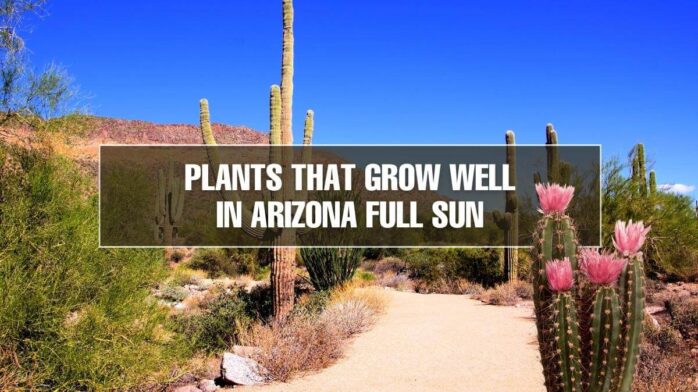
  • Plants That Grow Well In Arizona Full Sun – 2024 Complete Guide

    Plants That Grow Well In Arizona Full Sun – 2024 Complete Guide

    If you have a sunny place in your yard that would be ideal for a flower bed, make sure to pick plants that will grow in the heat without needing a lot of extra attention. If you wish to cultivate annual blooms in a hill garden, this can be a challenge.

    Some plants thrive in our sunlight, while others wilt under direct sunlight. Whenever the temperature rises above 95 degrees, people use air conditioning to flee the sweltering summer heat, but our plants don’t have the same luxury.

    Annuals are less tolerant of heat and sun than perennials with strong taproots and water-conserving foliage. Because they spend so much of their energy creating so many blossoms, annual flowers never get a chance to build a deep root system.

    Here are our fourteen picks for plants that can withstand both heat and moisture. You’ll still need to irrigate these faves regularly, but they won’t perish in the warmth of the day or take a lot of extra attention.

    Acacia

    Acacia

    Acacias are a varied collection of arid-zone landscaping plants that comprise trees, shrubs, and groundcovers. Based on the species, acacias provide shade, screening, and beautiful flower displays for your landscape.

    They prefer full light and may grow in a variety of soil types. To make a stronger root system, plant acacias need frequent but periodic deep irrigation.

    This is achieved by washing along the canopy’s edges rather than at the trunk’s base. All Aussie acacias contain modified leaf stems known as phyllodes that serve the same purpose as the leaves.

    Agave

    Agave

    Agaves are amazing leaf succulents with rosettes that vary in color, shape, and size. In the southwest, Mexico, and Central America, there are roughly 200 kinds.

    The large rosettes provide a striking contrast to the fine texture of desert-adapted shrubs and trees in the environment. Agaves are among the most valuable desert plants, as they can endure extremes of heat, frost, drought, and soil salinity.

    Agave, sometimes known as century plants, can take anywhere from 5 to 50 years to blossom, with a beautiful flowering stem. The plant gradually dies after flowering. They do, though, often produce offspring, seeds, or bulbils (plantlets).

    Avoid planting agaves near walkways, windows, or terraces due to their spiky leaves and big size.

    Agaves, especially medium to tiny ones, look great in pots or mixed together with groundcovers & meadows for a vibrant environment. They’re best planted in the fall or late winter. For improved plant health, watering should be deep and occasional.

    Aloe

    Aloe

    Aloes are beautiful plants of southern and eastern Africa that provide some of the finest colors for Arizona gardens during the cold season with their amazing and long-lasting floral show.

    Aloes come in a variety of shapes and sizes, from modest groundcovers to tree-like varieties.

    Small clustered forms perform well in containers, and tree forms, especially when combined with groundcovers and meadows, work well as emphasis or mass plantings.

    Hummingbirds are attracted to their conical flowers, which are borne on long-blooming stems and vary in color from yellow to cherry to deep red-orange. Along the borders of the sharp-tipped leaves are light to dark brown teeth.

    Once-blooming, the rosettes don’t die, and several aloe species develop spurs that grow over enormous areas. Aloes have a broad range of durability; however, at 24 degrees F, many types undergo some harm to their rosettes and flower stems.

    Caesalpinia (Bird of Paradise)

    Caesalpinia (Bird of Paradise)

    Caesalpinia adds a splash of color to the landscape. Their enormous colorful blossoms last for a long time and provide vibrant color—the fluffy leaf clashes with the colors of yellow, blazing red, and orange.

    Bird of paradise trees and shrubs vary greatly in size from medium plants to tiny trees.

    They grow in the hot desert and require little watering to flourish. To extend blossom and keep plants healthy, give them a thorough watering every two weeks when they’re flowering.

    Bird of paradise tolerates a wide range of soil types but favors well-drained soils. Chlorosis can develop in heavy soils, although iron chelate can be used to treat it.

    When deciduous trees are latent in the fall, they can be heavily clipped, and new shoots will emerge in the spring. The shape will be more round and tight as a result of this pruning. It is not advised to eat the seeds.

    The blossoms draw both hummingbirds and butterflies.

    Calliandra (Fairy Duster)

    Calliandra (Fairy Duster)

    The exquisite stamens that make up the tufts or ball-like plants are referred to as calliandra.

    Their shades, which vary from pastel pink to deep scarlet, are stunning. Flowers are produced against a theme of finely split, lacy-looking leaves on these small and medium shrubs.

    Calliandra is a versatile plant that may be used in a range of landscape locations. Fairy dusters are an amazing fit for animal gardens, giving a splash of color as well as a source of food for hummingbirds.

    Calliandra also works well in more classic landscapes, where their almost evergreen leaves and delicate blooms add color and intrigue.

    Fairy dusters are drought resistant and blossom freely in full light and need very little care to keep their natural rounded appearance. They withstand a wide range of soil types and heal fast if cold damage occurs.

    Dalea

    Dalea
    Source: pinterest.com

    Daleas are a varied group of plants with a delicate texture, vibrant winter and early spring hue, and the ability to withstand our blazing hot summers.

    Trees, shrubs, and plantings make up almost 200 species of these plants, most of which are specific to the Southwest’s deserts.

    The majority of Daleas recently added are ground covers or shrubs with heights ranging from 1 1/2 to 5 feet.

    Pollinating flies and butterflies are attracted to the pea-like blossoms, which range in color from violet to rose to yellow. Quail, doves, and finches are among the species that appreciate the seeds.

    Eremophila

    Eremophila
    Source: nativeplantscbr.com.au

    This class of perennial plants is native to Australia’s mid to arid regions. The precise word, eremos, translates to “desert” or “lonely area.” Emu bushes, or eremophilas, exist in a wide range of soils that are quite similar to the ones in the Southwest.

    Most of those are drought resistant and can go without water for long periods. The flowers of eremophila come in a variety of colors, including white, yellow, violet, mauve, pink, and red.

    The tubular blooms’ throats are occasionally visible, but they always entice hummingbirds as well as other nectar feeders.

    Leucophyllum (Texas Sage)

    Leucophyllum (Texas Sage)
    Source: mswn.com

    Texas sages are one of the most dependable and trouble-free low-water-use species in Arizona. There has only been one choice for Texas sage (Leucophyllum frutescens) available at local nurseries 15 years ago.

    Several new species and variations have been introduced into cultivation in recent years. These low-maintenance evergreen trees are natural to Texas and Mexico and thrive in our deserts. Full light and adequate drainage are needed for these shrubs.

    This plant now comes in a variety of grown sizes, and when the right Texas sage is chosen, no pruning is necessary… If you want to keep the shape of your tree, you can prune it carefully (do not shear).

    Penstemon

    Penstemon
    Source: thespruce.com

    It isn’t easy to pick just a few penstemon kinds because there are so many. The trumpet-shaped buds of these plants vary in color from orange to red, violet to white, and anything in between when they bloom. Flowers are attractive to hummingbirds.

    Low-growing soil covers with short spikes or tiny base rosettes that grow high, long-lasting flower spikes are among the traits of penstemons.

    Penstemons prefer full light, but in the arid desert, they need shelter from the reflected sun or heat. Our annual temperature swings don’t bother most of them. They need good drainage and can withstand drought.

    They need very little water during the wintertime. However, irrigation is essential during the drier months. In the summer, avoid overwatering.

    They easily replant themselves, resulting in a rainbow of color in your yard. Grow 2 to 3 ft apart since penstemons dislike being crowded and need plenty of room to flourish.

    Salvia (Sage)

    Salvia (Sage)
    Source: gardenia.net

    SalviaSalviaSalviaSalvia comes in a wide range of shapes, flowers, and seasonal hues, with over 750 varieties. Sages are noted for their beautiful, scented, and long-lasting flowers.

    The blooms appear in long, densely packed clusters or widely split on tall spears above the rounded shrubs. Whereas most salvias are known for their nice blue, violet, or purple flowers, some yield brilliant reds, scarlets, orange, yellow, or even white flowers.

    Many types are suited to dry regions and make lovely Xeriscape additions. Salvias are great for attracting hummingbirds, butterflies, and bees to native fauna gardens.

    Some have strong scents that deter feeders like rabbits. All of them are non-toxic, but most of them can be used medicinally, as herbal, or in drinks.

    Verbena

    Verbena
    Source: gardeningknowhow.com

    Verbenas are heat-loving annual groundcovers that bloom from spring to summer and provide magnificent color. Verbenas give color and charm to the environment when used in large groups.

    Verbenas thrive in warm, full light, and well-drained soil. Weekly irrigation during their flowering time aids in the growth of beautiful flower shows. After the flowers have finished blooming, the watering can be lessened.

    During the summer, a light nitrogen application revives the plants, but additional fertilizer is rarely needed. The plants will look cleaner if the dried flower stems and dead foliage are pruned off in early summer.

    Because verbenas are short-lived, you may expect to replace them every two to three years. Some varieties, on the other hand, can re-seed and naturalize in the terrain.

    Yucca

    Yucca
    Source: thespruce.com

    Yuccas are striking perennial accent flowers with a variety of textures and stunning white flowers. When mixed with smooth plants like ruellia and leucophyllum, they add intrigue and focus areas.

    Yuccas require good irrigation, full sunlight exposure and are cold-weather hardy. They can survive with very little water, but they do gain from monthly baths in the summer. They’re best planted in the autumn and winter.

    Yuccas add a southwestern flair to the environment, but their placement requires careful consideration. Avoid putting yuccas near pathways, windows, or patios due to their spiky leaves and big size.

    Yucca is a fantastic choice for backdrop plantings because of its unique shape. Remove the old foliage of yuccas as soon as possible; they guard the plants against heat, cold, and bugs.

    Prosopis (Mesquite)

    Prosopis (Mesquite)
    Source: agric.wa.gov.au

    Mesquites, or Prosopis, are incredibly flexible and resistant to a broad range of growing conditions. They can adapt to either a lack of or an abundance of water and will withstand droughts by limiting their growth.

    Some species have a twisted nature, which some relate to drought conditions, while others ascribe to pruning tactics. Mesquites have long provided shade, food, and medicines to desert dwellers.

    Mesquites feature dark green leaves with a sculpted growth habit and tough, dark bark. In the springtime, they yield yellowish to cream-colored catkin flowers, which are followed by seeds of various shapes and sizes.

    The top extends to the full width of 20 to 35 feet, based on the type. To preserve stability, mesquites should be encouraged to produce broad roots. This is managed by watering throughout the canopy’s rim rather than at the trunk’s bottom.

    Oenothera (Evening Primrose)

    Oenothera (Evening Primrose)
    Source: deserthorizonnursery.com

    Oenothera is clustering or branching groundcovers common in North America’s lowlands, grasslands, and deserts.

    They produce carpets of vibrant colors in desert settings with their huge, stunning four-petaled blossoms in pink, white, or yellow. Although most Oenotheras flower at night, the majority will remain open till midday.

    These plants are adaptable to a wide range of landscape conditions, from direct sun to mild shade. They look especially good in groups and as a groundcover or hue splash under arid trees like palo verdes and mesquites.

    Evening wildflowers are a beautiful perennial bloom that blends in well with other annual wildflowers. Evening primroses of all kinds generate pods that provide a plentiful food supply for desert finches. The blooms are a magnet for nocturnal animals.

    Final Word

    Arizona is known to have hot summers and not all plants can thrive under such high temperatures.

    We have curated a list of some of the plants that grow well under direct sunlight in Arizona. You can plant any of them in your yard and watch them grow into beautiful trees.

  • 10 Reasons Why Gardening Is Good for Your Child’s Development

    10 Reasons Why Gardening Is Good for Your Child’s Development

    You may have heard that spending time outdoors is beneficial to one’s health. It’s true! It’s because when a person (even a child) is under the sun, your vitamin D levels rise – which is beneficial to protect the body from certain conditions.

    Raising a child is an essential mission in life. You have to ensure that they’re well-fed, clothed, and taken care of. Most parents ponder numerous things concerning a child, including what a child should do to develop normally.

    If you’re looking for another new way to enhance a child’s development, consider engaging your kid in gardening. Playing with dirt, soil, flowers, and plants has numerous benefits that will be helpful to a child.

    It can enhance fine motor development

    Source: gardeningknowhow.com

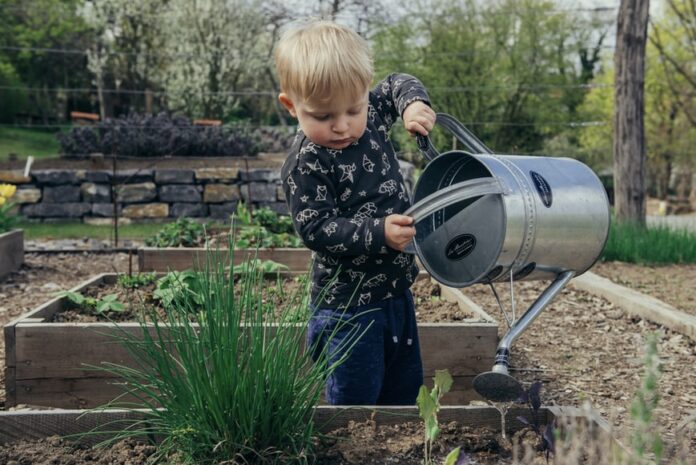
    When in a garden, the child would have to pour water, scoop up dirt, plant seeds and plants, etc. A child’s motor skill is still developing; so, engaging your child in gardening is a great way to ensure that your child gets to use their hands and learn how to use them. Additionally, a child can use the skills they’ve learned in gardening and put it into use when writing, typing, cutting, carrying, and many more.

    So, if you’re thinking of introducing your child to the world of gardening, consider gifting them something from the first birthday selection in My Happy Helpers. Along with a garden and some plants, your kids will develop their fine motor skills.

    It gives a brief introduction to scientific concepts

    Think of a child’s mind like a sponge; they consume whatever information is given to them. Engaging a child in gardening is a great way to introduce them to the basic concepts of science, specifically botany, chemistry, and biology. Toddlers can learn science lessons in the comfort of their homes while getting their hands dirty.

    After planting their first seed, they become curious about what will happen next. Eventually, your child will run to that pot every day to monitor the progress. Kids may not realize this, but they are slowly learning the basic steps of a scientific process.

    Then, as they grow older, they learn about the value of sunlight and water to plants. By continuously engaging a child in gardening, they can determine which plants need more sunlight or water or less sunlight or water. Also, due to experience, they’ll eventually learn how long it would take for a plant to grow.

    The child can get exercise

    Source: foodmatters.com

    Gardening is an excellent way for a child to exercise since they will move the body regularly. Along with the chance of enhancing motor skills, your child can sweat and play with dirt and by watering the plants. Also, gardening involves a lot of digging, bending up and down, and other sorts of movements that can refine a child’s muscles.

    It can develop a growth mindset

    A growth mindset entails that the child is constantly learning, which is incredibly beneficial. When a child develops a growth mindset, and something doesn’t go their way, they will see this as a chance to learn instead of getting upset. In fact, according to My Happy Helpers, toys, especially educational ones given during the early stages, help children develop problem-solving skills and more.

    A child can develop this mindset in gardening. There’s a chance that the child may not accomplish their task in gardening successfully or produce a vegetable or grow a plant. It’s a chance for the child to learn something new about which part they did wrong or could have done better to achieve the desired results.

    They can unlock creativity!

    Source: blog.jungseed.com

    Picking what vegetables to harvest for dinner and what seeds to plant for the day is a way of turning gardening into a game. It encourages the child to decide for themselves and be creative in their way.

    It engages all the senses

    Gardening is an activity where you use your eyes to see the vibrant colors and different plants and touch and feel the soil, blossom, and seeds. They can also hear the sound when harvesting fresh products and smell the majestic aroma of flowers.

    Indeed, a child can learn best when all of their senses are used. Gardening fits the criteria for this, which makes it a great learning experience since it allows kids to understand the concept of gardening using their senses.

    It encourages healthy eating and living

    Source: homelynowblog.com

    Often, parents try every hack in the book to try and convince their children to eat their greens. Without a doubt, healthy food is precious to anyone, especially a growing toddler. Luckily, by gardening their vegetables and fruits, they can feel a sense of pride that they grew something, and they get to eat the result. Consuming their hard work can give importance to healthy eating.

    It teaches responsibility

    It’s a great idea to start as early as now to teach your kids about responsibility, and gardening is a great activity to teach them just that! Through this activity, they learn that they are responsible for taking care of their plants to grow healthy.

    The kid can learn maths skills

    Source: parentmap.com

    A child can learn about science in gardening, but also mathematics. Mathematics takes place when a child has to count the seeds and measure the depth of the soil. They can also learn by using a ruler to determine the plant’s growth. Another way is by comparing the sizes of the produce. Finally, they can also learn about geometry by identifying the different sizes seen in the garden.

    It teaches the child to plan and organise

    Gardening can be time-consuming and laborious at times. It can take a whole lot of planning and organizing so that things can run smoothly. You have to know when the potted flowers and plants would bloom for a successful harvest. Also, it’s a must to know how long a seed will turn into a vegetable.

    Including your kids in this experience helps enhance their problem-solving skills, their ability to plan and organize, and many more. Indeed, the experience can help them bring life lessons whenever they play outside of the garden and until they grow old.

    Takeaway

    Gardening is a great opportunity where a child can grow, play, and learn from their experience. So grab your kid some tools and soil and get started into turning your yard into a beautiful garden your toddler can pour their creativity into.

  • 8 Best Liquid Lawn Fertilizer Concentrates 2024 – Buying Guide

    8 Best Liquid Lawn Fertilizer Concentrates 2024 – Buying Guide

    Lawns with lush green grass and colorful flowers become the center of attraction in the neighborhood. Make your lawn and yards an ideal place to relax and feel comfortable surrounding yourself with green, healthy vegetation.

    For this, you must take good care of your plants and ensure they don’t lack nutrients and minerals.

    Liquid lawn fertilizers are an ideal choice to keep your lawn healthy and green with plants and grass.

    It enriches the soil with an abundance of nutrients and promotes rapid and healthy growth in plants. Here is a detailed list of the best liquid lawn fertilizer concentrates.

    Top Rated Concentrated Liquid Lown Boosters

    1. Simple Lawn Solutions Extreme Grass Growth (6-18-0) Lawn Booster

    Extreme Grass Growth Lawn Booster

    If you are looking for the best liquid lawn fertilizer concentrates, then check out this lawn grass booster by Simple Lawn Solutions to grow dense, lush green grasses throughout your lawn.

    It is a natural liquid fertilizer that promotes rapid grass growth by providing them with all the nutrients for their quick growth. This lawn fertilizer is rich in nitrogen and phosphorus that aids growth and development in plants.

    The exclusively prepared formula of this lawn booster contains Humic Acid that improves vertical and lateral growth in plants. Plants need nitrogen for the formation of chlorophyll that promotes dark green leaves in plants as well as nitrogen is an essential nutrient that aids efficient growth in plants.

    This lawn booster has all the essential ingredients that fulfill nitrogen deficiency and boost the growth of your lawn.

    This liquid lawn fertilizer is super-effective against all types of grass and ideal to bring new life to both new and worn-out lawns with dense, lush green grass. The high phosphorus concentrate fertilizer is also effective for soy and seeding.

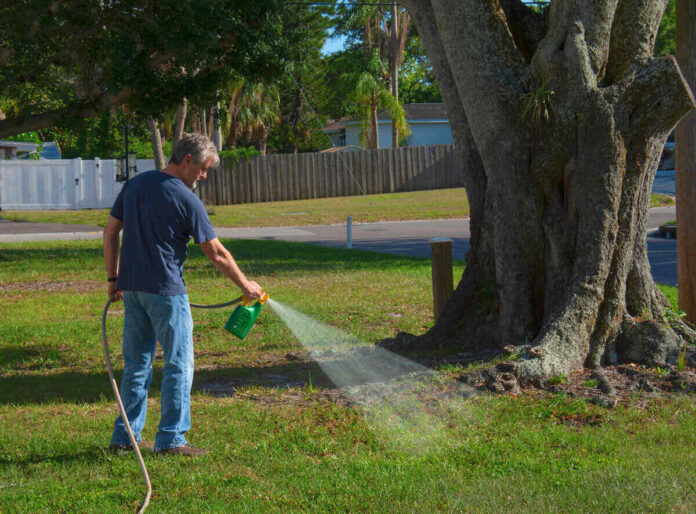
    The fertilizer formula concentrates (6-18-0) fertilizer number making it highly rich in phosphorus that encourages vigorous plant development and root development during its early stages. This lawn fertilizer comes with a hose-end sprayer that ensures evenly spray of fertilizer throughout your lawn and makes it ready to use as a plant growth booster.

    Features:

    • Improve vertical and lateral growth of plants, efficient for grass growth.
    • High phosphate concentrate makes it effective for soy and seeding.
    • Super-effective for all types of grass ensures rapid grass growth.
    • The fertilizer formula contains Humic Acid and fulfills nitrogen deficiency in plants.
    • Easy to use liquid fertilizer with a hose-end sprayer

    2. Scotts Liquid (29-0-3) Turf Builder Lawn Food Fertilizer

    Scotts Liquid Turf Builder Lawn Food Fertilizer

    This liquid lawn food fertilizer by Scotts Liquid Turf Builder is one of the highly recommended lawn boosters based on customers’ reviews. This food fertilizer is ideal for giving your lawn plants a quick boost of nutrients for their rapid and healthy growth.

    The ideal composition of compounds of this fertilizer makes it provide quick results and is super-effective for all types of plants and grass.

    This 2-in-1 lawn food supplement is prepared with quick-release and slow-release technology that brings new life to your plants and is perfectly suitable for rich vegetation. The perfect time to use this product is when the grass is actively growing.

    Read the instructions on the product carefully and apply as directed to get desired results. The improved formula of this fertilizer makes the grass greener and dense.

    The high nitrogen fertilizer concentrate (29-0-3) ensures there is no deficiency of nitrogen that can affect plant growth. Also, nitrogen promotes the formation of chlorophyll in plants, and this plant booster is most effective for getting quick lush green plants and grass throughout the lawn.

    Like most food fertilizers, this product is also easy to use and comes with a hose-end sprayer bottle that ensures even spray of fertilizer and prevents wastage to get the most out of it. Now it’s easier to treat your plants and grasses in your lawn without putting in much effort. The product covers 2000 sq. ft. per 32 ounces.

    Features:

    • Quick and super-effective results for all types of plants.
    • 2-in1 quick-release and slow-release technology ensure rapid growth and steady development in plants.
    • High nitrogen fertilizer concentrate to provide abundant nitrogen for your lawn grass.
    • Easy to use and comes with a hose-end sprayer bottle for even sprays and prevents wastage.

    3. Simple Lawn Solutions Advanced Liquid (16-4-8) Fertilizer Spring & Summer

    Advanced 16-4-8 Balanced NPK - Lawn Food Quality Liquid Fertilizer

    This advanced liquid fertilizer by Simple Lawn Solutions is the best plant booster that contains all the nutrients for effective plant growth and development. This plant booster is ideal for the overall development of the plant.

    The product is the perfect blend of all essential nutrients that ensure rapid and vigorous plant growth, root development, provide strength and protect against future problems.

    The unique formula of this lawn fertilizer contains top-notch quality ingredients along with fish and seaweed to help nourish your garden with lush green plants and grasses.

    The liquid formula makes it simple and ready to use, along with a hose-end sprayer bottle that saves time while treating your lawn. The advanced NPK formula lawn booster gives plants all the nutrients and minerals that promote greener grass and quick growth.

    This liquid fertilizer can also be used in dry seasons like spring and summer and is suitable for all types of plants. This 16-4-8 fertilizer number ensures that your plants get an abundance of all the nutrients that encourage healthy growth and development in them.

    It also brings life to your new and worn-out lawns covering the soil with dense grasses, making it look more attractive.

    To ensure the most effective results apply this highly effective fertilizer during the early stages of the plant development so the nutrient uptake is maximum and plants can grow efficiently without nutrient deficiency. Also, the blend of all nutrients gives a quick boost to both vertical and lateral growth of lawn grass.

    Features:

    • Complete blend of all nutrients along with fish and seaweed, a complete NPK lawn booster.
    • Contains top-notch quality ingredients for greener grass and rapid growth.
    • Easy to use, a liquid fertilizer that saves time and reduces wastage.
    • Get the most effective results when applied during the early stages of plant development.

    4. Simple Lawn Solutions (3-18-18) Liquid Lawn Fertilizer

    Ultimate 3-18-18 NPK- Lawn Food Quality Liquid Fertilizer

    An ultimate liquid lawn fertilizer by Simple Lawn Solutions is Amazon’s choice best-rated product. This fertilizer concentrate is specially prepared for lawns to meet the deficiency of phosphorus and potassium in plants.

    The high phosphorus and high potassium fertilizer concentrate (3-18-18) is perfectly suitable to nourish your lawn health and maintain soil fertility for effective and healthy plant growth.

    The feed-grade ingredients of this liquid fertilizer give super-effective results in all types of plants and grasses with its high-tier quality lawn supplement. The liquid lawn food is ready to use to flourish your lawn and garden with dark green dense grass and healthy plants. The 32-ounce fertilizer can cover up to 3200 sq. ft.

    The fertilizer features a hose-end sprayer bottle that ensures fast and even sprays covering all areas of the lawn and preventing wastage. The fertilizer is enriched with nitrogen, high phosphorus, and high potassium that ensures vigorous plant development strengthens the roots, and improves root growth.

    The plant supplement is made with organic ingredients, so you don’t have to stress about leaf burn or any damage to your plant. Treat your lawn grass and fulfill all the nutrient deficiencies with this highly effective lawn food and make your lawn grass ready for temperature changes by fertilizing the soil with all necessary nutrients and minerals.

    Features:

    • High phosphorus and high potassium fertilizer concentrate for vigorous plant development.
    • Improved formula with top-tier quality feed-grade ingredients.
    • Perfectly suitable for all types of grass and increase soil fertility
    • Easy to use sprayer bottle avoids wastage and covers all the corners of your lawn.
    • Made with all organic ingredients that prevent any damage to the leaves.

    5. PetraTools 15-0-15 Fertilizer for Green Grass Lawn Repair

    PetraTools Liquid Fertilizer, 16-4-8 Lawn Fertilizer

    PetraTools fertilizer for green grass and lawn repair is amongst the best lawn fertilizer concentrates that ensure the overall growth and development of plants.

    This high nitrogen and high potassium (15-0-15) based plant supplement is the ultimate solution that encourages rapid and healthy plant growth while making it resistant to environmental change for continuous and steady growth in every season.

    The fertilizer contains no mixture of phosphorus that might adversely affect the plant with excessive use. This super effective lawn food is an ideal solution to fix the land fertility and enriches the soil with all the essential nutrients that make your lawn flourish with dense, lush green grass and healthy plants.

    The composition of compounds includes Humic acid along with nitrogen and potassium that makes this lawn food perfectly suitable for sod and seeding.

    The unique formula of this lawn fertilizer is prepared with the perfect ratio of feed-grade ingredients that makes it perfectly suitable for all types of plants and grasses. It also promotes the natural growth of grass throughout your lawn and meets all the deficiencies of all essential nutrients.

    The superior solution of this fertilizer makes it compatible with other fertilizers that ensure the overall growth of plants.

    For best use of the fertilizer, use it with PetraTools hose-end sprayer, the best quality sprayer in the market that reduces spillage and wastage, saves your time, and covers your whole lawn with minimal effort.

    Features:

    • Highly effective lawn food supplement with no phosphorus added.
    • High nitrogen and high potassium fertilizer concentrate.
    • An ideal solution to fix land fertility and enrich soil quality with nutrients.
    • Energized with Humic acid ideal for sod and seeding.

    6. PetraTools Liquid Fertilizer (16-4-8) Lawn Food

    PetraTools Liquid Fertilizer, 16-4-8 Lawn Fertilizer

    The wide range of fertilizer from PetraTools offers this perfectly balanced lawn food that provides the perfect ratio of nutrients with an NPK ratio of 16-4-8. This liquid fertilizer has the highest ratings and is used by several satisfied customers for their gardening needs.

    The composition of compounds of this fertilizer provides the solution that contains all the essential macronutrients, i.e., nitrogen, phosphorus, and potassium, in balanced quantities.

    This highly balanced, unique formula provides the ultimate boost to your lawn and nourishes your entire lawn to help you grow lush green dense grass throughout your lawn. This lawn supplement contains high-purity organic compounds, and the presence of phosphorus ensures deep root nourishment and vigorous plant development.

    This effective NPK formula ensures dynamic green color, quick and vigorous plant growth and development. Make your lawn the center of attraction by making it look greener and dense, flourishing with healthy grass and plants. An organic ingredients plant supplement for home lawns and gardens works effectively on all types of grasses and plants.

    The 2-in-1 high nitrogen fertilizer concentrate features quick-release and slow-release technology. The quick-release feature ensures rapid growth during the early stages, and the slow-release feature encourages steady growth throughout the year. This food supplement is easy to use with PetraTools hose-end sprayer bottles made with high-quality material.

    For desired results, use 5 ounces of fertilizer with a gallon of water for regular maintenance and steady growth and 10 ounces of fertilizer with a gallon of water to fulfill nutrient deficiency and rapid growth of grass.

    Features:

    • Perfectly balanced lawn fertilizer for maximum boost and rapid growth of plants.
    • Super effective solution to restore nutrient deficiency and boost plant growth.
    • 2-in-1 high nitrogen fertilizer with quick-release and slow-release technology.
    • High-quality organic ingredients work effectively for all kinds of grass.
    • Easy to use and best paired with hose-end sprayer tools by PetraTools.
    • The perfect ratio NPK formula ensures the overall development of plants.

    7. Green Envy Liquid Lawn Fertilizer

    Green Envy Lawn Fertilizer

    This liquid lawn fertilizer by envy is the ideal solution to provide your plants with deep nourishment and an abundant supply of nutrients. This plant supplement ensures healthy lush green grass quality and is suitable for all kinds of plants and grasses.

    This specially formulated plant fertilizer serves all the needs to maintain an attractive lawn and encourage the natural growth of grass and plants.

    Make your plants and lawn grass withstand all kinds of environmental conditions and be resistant to dry seasons by improving the uptake of nutrients. It makes the soil highly fertile with all the essential nutrients and minerals and helps you grow vigorous and healthy plants.

    This lawn food is prepared with organic ingredients with a blend of all essential nutrients and minerals that promotes the overall growth of plants.

    The unique formula of this fertilizer contains a combination of Humic acid that ensures effective sod and seeding of grass. Humic acid also improves plant immunity, plant root development and nourishment, and a steady supply of essential nutrients for plants.

    Give your lawn grass a natural green look improving the quality of your plants. It formulates the rapid formation of chlorophyll that gives green color to plants.

    This liquid product is amongst the highest quality lawn food prepared with the purest organic ingredients available in the market for lawn development and nourishment. This lawn food can be used effectively with other plant fertilizers to achieve desired results and promotes healthy grass growth throughout your lawn.

    Features:

    • Liquid lawn fertilizer concentrates, highly effective for all types of plants.
    • Contains a combination of Humic acid ideal for sod and seeding.
    • Provides deep nourishment and vigorous plant growth and development.
    • Highest quality lawn food prepared with purest organic ingredients.
    • Ensures soil fertility and brings life to new and worn-out lawns.

    8. Farmer’s Secret Plant Booster (8-16-8) Lawn Fertilizer

    Farmer’s Secret - Plant Booster

    The final product on our list includes a review on another top-tier quality plant booster by Farmer’s Secret. The (8-16-8) lawn fertilizer serves all your requirements in maintaining a healthy and green lawn with lush green grasses and properly grown plants.

    This lawn fertilizer comes at an affordable price and is widely used by several gardeners to grow healthy plants with deep nourishment.

    This is another highly balanced plant booster that contains all the essential nutrients to make the land fertile and improve plant growth. The high phosphorus fertilizer concentrate encourages deep root nourishment and provides strength to plants for their proper development.

    The equal level of nitrogen and potassium nutrients ensures rapid growth and improves immunity in plants to help them survive any climate change and dry seasons.

    The sufficient uptake of nitrogen formulates the rapid formation of chlorophyll that makes the leaves lush green. From deepest vigorous roots to dynamic green leaves, this lawn fertilizer improves your lawn surroundings by providing you with a greener environment.

    To achieve desired super-effective results start using this plant booster right from the early stages of plant development to make them strong and healthy.

    This lawn food is easy to prepare and comes with clear instructions on how to use it effectively for the better growth of lawn grass. Simply mix a specific quantity of the fertilizer with water as per directions and spray it evenly all over your lawn with a hose-end sprayer bottle. Use it conveniently with other fertilizers without risking your plants.

    Features:

    • Perfectly balanced plant booster with all essential nutrients.
    • Provides deep nourishment and promotes overall growth of plants and lawn grass
    • Contains nitrogen, phosphorus, potassium, along with iron and zinc
    • Fulfill the deficiency of all the nutrients essential for effective plant growth.

    Buyer’s Guide

    Best Liquid Lawn Fertilizer Concentrates
    Source: backyardboss.net

    These were the top 8 best liquid lawn fertilizer concentrates on providing your plants with all the nutrients they require for overall growth and development. You can choose the most suitable liquid lawn fertilizer that best suits your needs.

    All the above-mentioned plant supplements are Amazon’s choice highly recommended as per most customers’ reviews. If you are unsure about which liquid lawn food will be most suitable to fulfill the nutrient deficiency of your plants, then consider these two essential aspects before making your purchase.

    Type of lawn fertilizer

    You must decide what type of fertilizer you wish to use. There are different types of fertilizer that function differently. The granular fertilizer provides you with complete control of the lawn fertilizing schedule. Liquid fertilizers are effective for the rapid growth and color, and vigorous development of plants.

    The organic lawn fertilizer can be made at home. It directly feeds nutrients back into the soils and recovers soil fertility for effective plant growth. Synthetic fertilizers are affordable, water-soluble, and quickly absorbed by plants.

    Understand the nutrients requirements

    Understanding the nutrient requirement is very crucial. Liquid lawn fertilizers contain three basic nutrients, i.e., Nitrogen, Phosphorus, and Potassium. These three elements play different roles in the overall growth and development of plants.

    Nitrogen helps in forming dark green leaves and promotes rapid plant growth. Phosphorus ensures deep root nourishment, vigorous plant development and improves immunity against climate change and dry seasons. Lastly, potassium is highly effective for strong grass growth.

    FAQs

    Best Liquid Lawn Fertilizer Concentrates
    Source: horticulture.co.uk

    How to choose the ideal lawn fertilizer?

    You have to decide what type of fertilizer is most effective for your lawn development and the nutritional deficiencies your plant lacks. Based on that, you can choose the ideal lawn fertilizer that will provide lush green leaves and healthy plants throughout your lawn.

    How much liquid lawn fertilizer to use?

    The amount of liquid lawn fertilizer you should use depends on the overall size of your lawn and the deficiency of nutrients in your soil. You must use a soil test kit to test the soil fertility to know which nutritional elements the soil lacks in and based on that, you can determine how much fertilizer to use.

    When is the ideal time to use liquid lawn fertilizers?

    The ideal time to use liquid lawn fertilizer is based on the type of fertilizer you are using. Some fertilizers are only meant to be used in summer or spring, and some are effective in every season. Liquid fertilizers give the best results when used in early springs, so plants can quickly absorb all the nutrients.

    Conclusion

    This article provides a detailed description of the top 8 best liquid lawn fertilizer concentrates in 2024. These liquid lawn fertilizers provide an easy solution to rapid plant growth and lush green grass for lawns and large yards.

    Liquid fertilizers require regular application until you don’t observe changes in plants. It is ideal for improving your lawn condition and brings life to new and worn-out lawns.

    Before making a purchase, you must follow the buyer’s guide that will help you to make the right purchase based on your requirements and nutrient deficiency your plants need.

    Check also:

  • Monstera Adansonii Care 2024 – Swiss Cheese Plant

    Monstera Adansonii Care 2024 – Swiss Cheese Plant

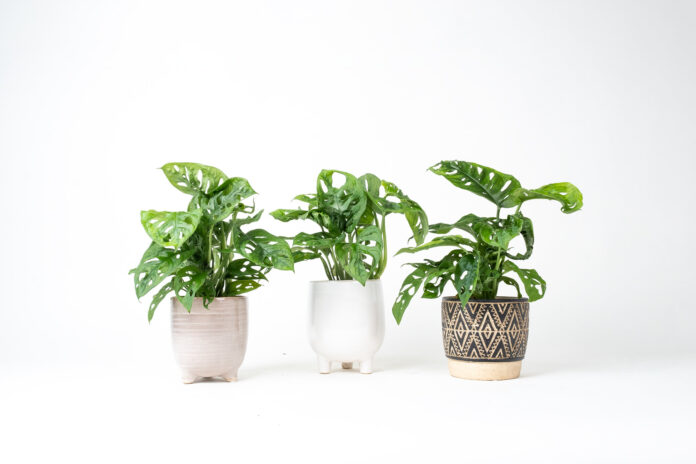
    Are you a houseplants lover? If yes, then you’ve probably heard about the Monstera Adansonii. It is also known as the Swiss Cheese Plant. This plant is an excellent choice for those with a bit of space and who wants a remarkable centerpiece at their home.

    But worry about the limited space? Do not fret: Monstera Adansonii offers all the Monstera beauty without the massive dimensions. It’s a vine that looks stunning in a pot, and the best part is that you can hang it anywhere.

    Monsteras are eye-catching, friendly house plants whose stunning leaves are embellished with dramatic holes. They are vining plants and like to trail across the pot or climb up the trellis or stake. If you already have this Swiss cheese plant or plan to keep this centerpiece, you should know how to care for the Monstera Adansonii plant. Here is the detailed guide:

    Swiss Cheese Plant Care Tips

    Monstera Adansonii
    Source: preview.redd.it

    Monstera Adansonii is known to be easy to maintain and likes to climb. It has aerial rootlets extending downwards under the stem braced to the earth or another other support.

    It may utilize the roots to push its way up on an adjacent tree or the woody vine when in the wild. If you want to grow it in a pot for your home, You can mimic this by installing support within the pot center.

    Giving your plant regular water and food is the primary care responsibility for this plant. There is also the possibility of performing some pruning to ensure that the plant is at the size you want it to be.

    Swiss cheese plants are Aroid plants. This plant belongs to Central and South America, growing on tree trunks within broad forests at low elevations. These are also found in a few Caribbean islands.

    Light

    As this plant grows naturally slowly on trunks of trees, the Swiss Cheese Plant is usually shaded from direct sunlight when in nature.

    It isn’t yet adapted to the all-day sun, though darkness is not the perfect choice: You should seek out the brightest, indirect light. Two to three hours of direct sunlight is ideal; however, anything more prolonged or more intense can cause scorching to the leaves.

    They can manage low-light conditions when needed, and Monstera Adansonii will develop slower and get a bit sloppy under the conditions. The result is that new leaves expand further and also make for an appearance of a slender plant.

    Humidity and Temperature

    The wild plants grow in extreme humidity and hot temperatures. The more closely you can replicate the plant’s natural habitat conditions, the more you will be successful. Be sure that your plant is in a location above 40 degrees F and keeps it safe from cold drafts.

    Humidity that is above 50% is perfect. A well-lit, warm bathroom is the ideal location to place this plant. If you want to enhance moisture, then spray the plant with water or employ a humidifier inside its room.

    Watering

    What thing that makes Monstera Adansonii care so attractive is the fact that they can handle being dry. If you’re someone who sometimes forgets to water plants, this plant is for you.

    hey prefer to be dry, but it doesn’t mean you are allowed to dry entirely regularly. If the top one or 2 inches has been drained, make sure to give your plants water. You might only have to do this every week or perhaps after, but it’s crucial to learn about your plants.

    Fertilizer

    Monstera Adansonii
    Source: cdn.shopify.com

    Monstera Adansonii doesn’t have a lot of requirements for fertilizers. You can feed it at least once or twice per month in summer and spring and autumn, then cut back on the amount of food you provide them or completely stop in winter.

    If you’re looking to provide your plants with an extra boost of nutrients from the start, You can include worm castings in the soil mix or some compost made at home.

    Propagating

    Since Monstera Adansonii is considered a wild species, it’s relatively easy to reproduce them. If left to run wild, the plants will develop vines between 10-20 meters in length. It means that you’ll need to cut them down regularly not to be a role of a jungle adventurer inside your home!

    If you trim the branches, ensure not to discard them. The stems can be cut at the end of the stem, ensuring you have more than two points to get the optimal results. They can be used to grow additional plants or fill the pot for a whole appearance.

    Pruning

    It is important to note that the Monstera Adansonii can climb, which means it will require being taken care of if it starts to grow out of space. If you want to trim your plant, you should prune it in spring. Utilize sterile pruning shears to reduce stems to less than 25%. Cut just before the leaves node. Also, get rid of broken or dead leaves as required.

    Common Issues with Monstera Adansonii

    Monstera Adansonii
    Source: thespruce.com

    If it is grown in the right conditions, this plant usually does not suffer significant issues. If, however, you’re unable to satisfy its needs for environmental protection indoors, the plant is susceptible to common problems.

    Leaves turning yellow

    The leaves’ yellowing usually occurs due to excessive watering. Be sure that your plant is not sitting in waterlogged soil. Also, let it dry between the waterings.

    Leaves turning black

    Leaves with black spots could be an indication of burning caused by straight sunlight. Keep an eye on the plant during the day to ensure that direct sunlight doesn’t stay on it for long. Mainly, make sure you shield your plant from the intense midday sunlight.

    Precautions

    Monsteras contains insoluble calcium oxalates, and it can be a nuisance to pets, cats, and humans when they consume foliage. It is best to keep your houseplants out of the reach of pets and children.

    Bottomline

    When we discuss Monstera AdansoniiMonstera AdansoniiMonstera AdansoniiMonstera Adansonii and their correct maintenance, we’ll need to be aware of certain aspects.

    All of them are included in our analysis of Monstera Adansonii, a plant with holes that we are all happy to keep in our tiny backyard jungles. We hope these tips will work for you and make your masterpiece healthier than ever.

  • How To Kill A Tree Stump 2024 – Complete Guide

    How To Kill A Tree Stump 2024 – Complete Guide

    Tree stumps look ugly and cover up precious space. Tree stumps are extremely resilient, no matter how small it is. They can produce a multitude of new sprouts because the root systems flourish deep inside the earth.

    By removing these uglinesses from your yard and garden, you can create your setting much more interesting, and the best part is that you do not need to go through your pockets to get rid of an unruly stump.

    If you are not interested in hiring a specialist to remove a stump, then do the work yourself; you can do it by using the items that you find within your own home.

    Different Methods To Kill A Tree Stump

    Epsom Salt

    Epsom Salt
    Source: ytimg.com

    Epsom saltEpsom saltEpsom saltEpsom salt is rich in sulfur and magnesium that can create healthy growing conditions for trees in tiny amounts. Extirpating stump roots to a lot of these minerals can produce deadly outcomes. Start by mixing 100 % Epsom salt in water. This will make the solution that can degrade in the root of your stump. 

    The next step is to drill 12 1-inch-wide holes in the stump. The holes should each be approximately 10 inches in depth. After that, pour ample quantities of Epsom salt into the tree holes. Then, wrap the tree stump using a sheet of tarp and wait for a minimum of 3 months to eliminate the stump roots.

    Rock Salt

    It is generally applied to melt ice off walkways and roads; rock salt produces detrimental effects on stumps of trees. The salt Sodium chloride present in rock salt makes soil store water, which means the roots of a tree do not absorb it.

    The intense drying process causes stumps to die. This method works effectively by digging holes into the stump of a tree. Make use of a drill item that is a minimum of 3/8 inches in diameter. 

    Next, bore the stump for at least 10 inches. Fill each hole with rock salt, and the top is filled using hot water to melt in the crystals of salt. After that, apply a 2-inch thickness of rock salt over the stump’s base.

    Sprinkle hot water on top to allow the rock salt to dissolve to the ground. Then, wrap the stump’s top with the mulch and soil, and leave it for at least six weeks. Once the tree stump begins to decay, start the process of removal.

    Burn Stump Out

    Burning is a fantastic approach to eliminating stumps of trees. The burning process will take approximately 24-48 hours, depending upon the dimensions of your stump.

    However, you’ll also have to dedicate several days to get the stump for burning by cutting burn slots or drilling holes and then dipping the stump in oil or fuel to help the burning process.

    This procedure requires safety precautions when operating with flames and its unpredictable nature.

    Block The Sunlight

    This method is good, but you need to ake the sunlight off the tree’s stump. We are aware that trees require sunlight for their photochemical effects. However, they’ll end up dying if they do not receive the right amount of sun.

    You can make use of several options to cover a stump of a tree, like shade, polyester that is coated by polyurethane sheets made from plastics such as polyethene, or a trash bag in black colour. You just need to grab any one item and cover the stump with duct tape. For a better result, remove the seedlings in the area throughout your stump.

    Be sure to monitor the process of dying of your tree by time. This process requires a lot of patience and time due to the slow way to deprive an entire stump of light. Eventually, it will begin to decompose.

    It’s best to hold off until the stump begins to rot and then falls to pieces by itself. This is a great method to remove a stump because it stops the tree growth and eventually degrades.

    Boiling Water

    Stump on green grass in the gardenv
    Source: bobvila.com

    This is among the most cost-effective and efficient methods to follow our advice on getting rid of a stump. This method also induces roots by using a stump killer made at home using boiling water. The only aim of this technique is to destroy the stump’s bases.

    To apply this method, first, you need to take a pot and then pour a significant quantity of water into it. Put it over the fire, and wait till the water has reached a complete boil. When water is completely boiled, spill it immediately onto the stump roots. To make this method more effective, it is essential to make certain that the bulk part of the roots is burned.

    If you can scrape off the soil and push the roots out, then you can. You could pour the boiled water over them; however, it might be more efficient to cut them close to the stump using an axe. This will give you less work to complete when getting the roots out and then striking them with water. Instead, you can concentrate on the areas that are not cut.

    If you’d like to accelerate the process, create holes in the tree’s stump to allow the heat to be distributed completely in the stump. Similar to the other methods listed here, the process could also cause the death of the tree’s stump by degrading it.

    Grinding the Tree Stump

    Grinding the Tree Stump
    Source: jtreeserviceli.com

    It is the fastest technique to kill and remove stumps from trees. This involves employing a tree removal professional or leasing a stump grinder machine to cut the tree’s body and root. The typical costs for this task are between $100 and $400. The cost of renting a stump grinder generally ranges from $80 to $150 for 4 hours.

    Bottomline

    These simple and easy methods are the most reliable way to remove a stump from a tree without the risk of infecting your field with harmful chemicals.

    Utilizing these methods will enable you to remove the stump and preserve the healthy environment in your yard.

    Although we suggest DIY methods, if you are in a rush renting a machine or engaging a pro to assist you in grinding to the stump will be the quickest solution.

  • Watering Tomato Plants in Pots 2024 – How Often? How much?

    Watering Tomato Plants in Pots 2024 – How Often? How much?

    Tomato plants are usually grown in a pot or container and demand a different amount of water than those grown in the ground.

    If you are looking forward to growing some of your own tomatoes, some questions might be wandering your mind, such as How often and how much watering is needed for plants in pots for optimal growth.

    If you want to grow your tomato plant in domestic pots, it will consume comparatively less water from the tomato plants grown on farms.

    How to Determine the Frequency of Watering?

    Watering Tomato Plants in Pots
    Source: theglobalinside.com

    You need to observe the size of the pot in which you are growing the tomatoes, and you want to evaluate the amount of water you should be providing to your tomato plants.

    And if you are starting to grow your tomato plants, during the scorching heat of the summer seasons, your plant might yield you the best results. You should choose a tomato plant which has big bush-like leaves. This type of plant grows best in a 5-gallon plant pot. However, this tomato plant needs to be watered every day, occasionally twice a day.

    Soil Moisture

    An effective way of judging whether your plant needs water supply is by putting your finger inside the soil and feeling the moisture about 2″ deep. If you can’t feel any moisture, it indicates that you should water your tomato plant.

    Yellow Leaves

    damaged by disease and pests of fall leaves and fruits of tomato
    Source: agrilifetoday.tamu.edu

    Another effective way of determining the watering needs of your tomato plants is to check whether it’s leaves are turning yellow. Yellow Leaves indicate the water is not going to the parts of your plants. So you need to provide more water to quench your thirst.

    You can also consider investing in a soil moisture meter, which can effectively evaluate the water content of the soil in your plant pot.

    For using this tool, you just have to put the prong into the soil surface, and the meter will display the correct quantity of moisture in the soil of your plant pot. It’s the most straightforward approach to gauge the water content in the pot correctly.

    Now that you’ve proven that the tomato plant needs water, you’re probably wondering how much to give it.

    Things You Need To Keep in Mind while Providing Water to Your Tomato Plant

    As previously stated, a variety of factors influence the watering requirements of your domestic tomato plants. The following summarizes the factors that influence the frequency with which your domestic tomato plant can water.

    Colour and Size of the Container

    Source: gulleygreenhouse.com

    One of the most important aspects affecting your domestic tomato plant’s water needs is the size of the container.

    The roots of any typical domestic tomato plant can grow at a depth of around 20″ if given enough space. When roots are constrained by space, they begin to grow along the perimeter of the plant container, causing the plant to become ‘root bound.’

    Root-bound plants have a harder time absorbing essential nutrients and water from the soil, which can adversely affect the growth and quality of your tomatoes.

    It is undeniable that the quality of your tomatoes increases with the increase in the shape of your plant pot. However, it would help if you had a 15″ deep and 15″ broad pot. Moreover, if your tomato species tend to grow more enormous vines, then it is advised to use a 20″ container

    Type of Your Tomato Plant

    Tomato Plant
    Source: i.pinimg.com

    It has been proven that various unique species of tomato plants have considerably different watering requirements. So, if you don’t know much about your tomato species, set aside some time to learn about your tomato plant before evaluating its watering requirements.

    Some of the popular tomato species are Cherkoo and San MarzanoSan MarzanoSan MarzanoSan Marzano, which can reach a height of around 6 feet or more. Needless to say that, these species will be requiring more water to maintain proper growth and produce high-quality tomatoes.

    There are also smaller species of tomatoes that are dwarf trees that grow to be between 1 and 3 feet tall. They have a modest water requirement. Moreover, the water requirement of these plants becomes lower every day if they are sowed in larger containers.

    Weather

    If you’re growing any plant, you can’t ignore the aspect of weather, as it determines the surrounding environment of your domestic plants. If the temperature rises by even 5 degrees celsius, the water needs will go up considerably for your plants.

    And because of this, you should check the soil surface of your tomato plant at least two times a day and ensure that your plant doesn’t face any disadvantage of dehydration.

    Similarly, your tomato plant will require much less water to stay hydrated in the winter season as the environment gets quite cold.

    So, you can water your tomato plant every alternate day.

    Location Of Your Plant Container

    Tomato Plants
    Source: i2.wp.com

    The watering needs of your tomato plant can vary considerably depending on the type of location of your plant. For instance, if your plant container is exposed to direct sunlight all day, it will tend to lose a lot of moisture throughout the day. This will increase its water requirements.

    Subsequently, if you plant your tomato plant in your garden rather than a pot, then you have to provide around twice the amount of water.

    Frequently Asked Questions

    Q1: What should be the frequency of watering for your tomato plants?

    The watering needs will depend on the season. You usually should water twice a day in the summer season, whereas you should water once every two days during the winter season.

    Q2: What is the optimal way to water tomato plants?

    It would help if you water your tomato plants at a slow pace, which can provide enough time for the water to seep into the soil.

    Q3: Should the tomato plant be put under direct sunlight?

    Direct sunlight can evaporate the moisture from the plant’s surface, which can increase its water requirements. If you can provide more water, the quality of the tomatoes will not be compromised.

    Final Thoughts

    Fresh and juicy tomatoes have been in massive demand among the retailers as well as the chefs. Growing this food item is quite complex compared to other vegetables, as a slight change in environment or water supply can remarkably affect their quality.

    This article will provide you with a much-needed insight into how often and how much watering is needed for plants in pots.

  • What are Hybrid Plants? 2024 – An Overview of Most Popular Breeds

    What are Hybrid Plants? 2024 – An Overview of Most Popular Breeds

    You might have certainly heard of the term hybrid plants if you are an amateur gardening enthusiast or have been practicing gardening for a long time.

    You might have some questions regarding this type of plant, such as what are hybrid plants? What are the most popular breeds? Continue reading to have a better idea about hybrid plants, including how they are hybridized, distinct sorts, and more.

    Hybrid Plants: Definition & Examples

    What are Hybrid Plants?
    Source: blog.jungseed.com

    A hybrid plant is created by crossing two unique plant species and nurturing the seed that results from the cross-pollination.

    A plant that is created as a result of hybridization grows from that hybrid seed.

    Plants used for Commercial hybridizing are made sure that their offsprings retain some of the desired characteristics of the parent variety.

    Hybrids are created for a variety of reasons, including immunity to diseases, improving the size of flower petals, plant size or fruit size, improved blooming, color, flavor, or any other reason a plant can be regarded as unique. Many existing commercial plants sold now are hybrids.

    The Hybridization Process

    During a hybridization process, a pollen grain from the desired plant species is taken and inserted into the flower of different species.

    It depends on the breeder, which plant should be served as a female plant and which one should serve as the male counterpart. The female plant must contain a pistil, whereas a male plant should contain a stamen which is a male reproductive part of the plant.

    Instead of being natural, the pollen grain is manually inserted into the female reproductive part of the plant, which is the pistil. Also, it made sure that all the stamens were removed before carrying out the hybridization process.

    This ensures the prevention of any possible self-pollination. The resultant fruits produced by hybridization are collected, and their seeds are carefully extracted for further usage.

    Most Popular Hybrid Plants

    Now that we have a good idea about the hybrid plant let’s go over some of the types of commercially used breeds:

    Hybrid Lilies

    hybrid lilies
    Source: wsmag.net
    Oriental hybridsOriental hybridsOriental hybridsOriental hybrids and Asiatic hybridsAsiatic hybridsAsiatic hybridsAsiatic hybrids are two types of hybrid lilies. Oriental hybrid lilies tend to have enormous, fragrant blossoms that are 6 to 8 inches long and come in pink, crimson, white, and purple.

    Asiatic hybrid plants, on the other hand, are considerably smaller and often do not have a scent. Flowers in vibrant colors of rose, yellow, pink, gold, orange, and white are available.

    The blooming time period of the Asiatic lilies is usually during the early summer. In comparison, the Oriental lilies typically grow during the late part of the summer.

    When grown in a suitable medium with adequate light and proper hydration, hybrid lilies can simply be cultivated in domestic pots. The fluoride contained in various widely used growing mediums is likely to cause some cases of leaf scorch in lilies.

    Sweet Corn

    Sweet Corn
    Source: cdn.shopify.com

    Hybrid corn accounts for the majority of corn farmed across the globe. These kinds’ qualities have made them easier to grow for domestic gardeners. Apart from that, these hybrid corns tend to be sweeter than any regular grown corn. And for optimal pollination and proper corn growth, these hybrid corns are generally produced in relatively giant farms.

    Breeders usually sow the seeds in a location that is getting adequate sun rays. Also, the soil should be rich, well-drained, and deep.

    After the final frost, sow the seeds roughly two weeks later. Breeders primarily harvest the ears of the corn during the brief milk stage. During this timespan, punctured kernels release milky-coloured liquids.

    Olympia

    Olympia hybrid
    Source: sakatavegetables.com

    Olympia is a special type of hybrid spinach, which is renowned among breeders for its exceptional growth. Apart from being big, the leaves of the Olympia hybrid have a characteristic dark green color. These hybrid plants grow best during the summer or the spring season.

    However, their leaves tend to be resistant to warm climate conditions, and they can easily survive bolting. In only 48 days of sowing the seed of Olympia, they can be harvested in their fully grown state, significantly if they are grown under favorable conditions.

    When the soil temperature is around 40 degrees Fahrenheit, the Olympia seeds can be sown, and their germination period is about two to three weeks.

    Stargazer Lilies

    Stargazer Lilies
    Source: ellasfloralsandmore.com

    These oriental hybrids have large, fragrant flowers that can reach 8 inches across their diameter and come in various colors, including pink, red, white, and purple.

    They usually bloom best during late summer after a vigorous growth period in the summer. Plants are frequently sold in the spring and can be simply grown in pots.

    Plants bulbs that are thrice their size in length should be sown for optimal result. The best sowing period of these hybrids is around spring or fall, or summer.

    During its growing cycle, you should provide it with an adequate water supply and make sure to detach the spent flowers to redirect all the energy for the growth of the plant.

    Meyer Lemon Trees

    Meyer Lemon Trees
    Source: thespruce.com

    Tue Meyer lemon hybrid trees result from a typical hybridization process between the Mandarin orange trees and a lemon tree. This mandarin orange tree is generally brought in from china.  This kind of lemon is much sweeter than ordinary lemons, making it a desirable ingredient for various chefs and gardeners.

    These hybrid lemon trees can be easily cultivated in a warm environment.

    They are generally cultivated in plant pots and brought inside during the winter months. Purchase 2- to 3-year-old trees and place them into a well-drained, a little sandy, and somewhat acidic soil. Make sure to keep the soil moist but try not to waterlog in all the time.

    Frequently Asked Questions

    Q1:  Why are Hybrid Plants Cultivated?

    Hybrid plants tend to have a better size of flowers, fruits, and leaves the regular plants. This makes them ideal for being used for commercial products.

    Q2: Can a hybrid plant have seeds?

    Most of the hybrid plant possesses seeds, however, some of them might be sterile and can’t be reproduced.

    Q3: How are hybrid plants created?

    Hybrid plants are created by cross-pollinating two plants from completely different species, to attain the desired characteristics.

    Final Thoughts

    With the increased level of Competition within the consumer brand, every company is trying their best to improve their products to entice more customers. Making hybrid products is a great way to achieve the desired results without the usage of harmful chemicals.

    This article can provide great insights and will give you a proper explanation of what hybrid plants are or an overview of the most popular breeds.

  • Hibiscus Varieties 2024 – Most Beautiful & Common Types

    Hibiscus Varieties 2024 – Most Beautiful & Common Types

    Known for its huge, brilliantly-colored flowers, a Hibiscus plant is a great addition to your garden or home. These plants also have medicinal properties, and their leaves or flowers can be crushed and used to make comforting teas or healing extracts.

    Not only do hibiscus plants last several years, but they also require minimal maintenance. If you want to fill your garden with these gorgeous plants then we’ve got some news for you – there are more than 200 hibiscus varieties in the world, all of which differ in shape, size, and color.

    Listed below are some popular hibiscus varietiespopular hibiscus varietiespopular hibiscus varietiespopular hibiscus varieties that you can consider growing.

    Types of Hibiscus

    Though there are several varieties of hibiscus in the world, they share some common features. The flowers on the plant last for about a day, but the plant itself blooms for quite a long time. Their beautiful, vibrant flowers attract pollinators like bees. Let’s explore the varieties of hibiscus and some popular species under each category.

    Tropical Hibiscus

    Source: pm365.gq

    This variety of hibiscus is unable to withstand colder temperatures that fall below the levels of a tropical climate. The flowers of this variety are vibrant, including colors like reddish-orange, pink, yellow, and white.

    To complement the bright blooms, these plants have deep green, glossy foliage that protects the hibiscus from the intense heat associated with the tropics. If you wish to grow this hibiscus variety in colder temperatures, you can do so, but only indoors in a controlled environment like a greenhouse.

    If you don’t do so, then your Tropical hibiscus plants will die as soon as the temperatures drop. A few of the most popular species under this category include:

    Simple Pleasures

    With nine to ten-inch wide, double-color flowers, this is a traditional variation of the tropical hibiscus plant. It’s popular for its unique flower that has a vibrant yellow border, which fades into pink, and finally converges towards a bright red center.  The stigma of Simple Pleasures is a bright yellow that matches the outer rim of the petals.

    Palm Springs

    Another plant from the Rosa-Sinensis species, this hibiscus has extremely vibrant flowers that vary from six to eight inches in diameter. Its center is a bright orange, with an almost star-shaped gradation that fades into a deep yellow towards the petals’ outer edge.

    Bedazzled

    This is an absolutely breathtaking hibiscus plant. It is a double hibiscus variation, which means that it is akin to a ruffled pettiskirt. Its six to eight-inch wide flowers have a deep orange color which is a stark contrast to the plant’s dark green foliage.

    Hardy Hibiscus

    Hardy Hibiscus
    Source: sylvangardenslandscape.com

    These hibiscus plants can brave the cold winters and are usually pruned down before winter begins so that they can grow afresh from their existing roots. If you plan to prune them, leave them six inches above the ground, to ensure healthy growth.

    The flowers of these plants are shades of red or white, but they’re less vibrant compared to the tropical varieties. The muted flowers also mean that their foliage is pale green, to match.

    Blue River II

    This hibiscus plant has pure white flowers that grow six to ten inches in diameter. These plants don’t have a long blooming season, but over 240 fresh flowers will bloom over the spring and summer months, for you to revel in. Another interesting factor that makes these plants popular, is that the white flowers almost make your garden glow at night!

    Kopper King

    With 12-inch wide pinkish-white flowers this hibiscus variation is a sight to behold! The flower has a bright copper-pink center, and as you move towards the outer edge, the pink coloration becomes nearly white. Another unique feature of the Kopper King from the hibiscus moscheutos species is its maple-like leaf.

    Lord Baltimore

    The Lord Baltimore hibiscus plant has bright red flowers that bloom about ten inches in diameter. Its distinctively large petals slightly overlap with each other. The flowers also have a ruffled edge and paired with its flamboyant color, make the plant worth seeing. However, the flowers stay in bloom only for a day before they begin to wilt.

    Native Hibiscus

    Native Hibiscus
    Source: triggplants.com.au

    Native hibiscus plants or rose mallows are those that are indigenous to the southeastern states in America. This variety has around 35 species, and they typically grow in wetlands, which is why another name for them is marsh hibiscus.

    However, they can also thrive in drier areas, if maintained well. The flowers of this hibiscus are typically shades of white or pink, whereas the heart-shaped leaves are grayish-green towards the stem, and hairy white near the tips.

    Scarlet Rose Mallow

    The Scarlet Rose Mallow has a set of three to seven, stunning red petals arranged in a pinwheel formation. The flowers are about six to eight inches wide and will remain in bloom only for a day before they start wilting. It can also be categorized as a hardy hibiscus variation.

    Perennial Hibiscus

    Perennial Hibiscus
    Source: annasflowers.ca

    These are essentially shrubs that include dwarf varieties and lush, tree-like bushes. These may fall under the hardy or tropical categories. As their name suggests, these plants grow anywhere apart from the arctic regions.

    They love plenty of sunlight, and most of them require plenty of water as well. The plants are popular for their gorgeous foliage, which can vary from bright green or deep black-purple, to light green with a cream-white center.

    Rose of Sharon

    With a natural upright vase-like silhouette and multiple branches, the Rose of Sharon has showy flowers that bloom in summer and spring. The flowers have five petals, with a paper-like texture and come in a gorgeous selection of colors, including bi-colors. The flowers have a three to five-inch diameter and often have a dark-colored center.

    Annual Hibiscus

    Annual Hibiscus
    Source: plantedshack.com

    Despite what the name suggests, these plants aren’t true annuals. They’re actually tropical varieties grown in colder climates. It includes the Red Leaf Hibiscus, which is popular for its bright red foliage. These plants are typically grown in containers.

    Final Words

    Every species of hibiscus differs from the other. Since there are so many hibiscus varieties at your disposal, any aspiring gardener can have a whole section dedicated to these vibrant, stunning, and easy-to-maintain plants.